What makes EcoFlow portable power stations stand out in 2026
 Solomon CaradocOctober 22, 202618 min read
We earn a commission when you buy through some links on this site, at no extra cost to you. As an Amazon Associate we earn from qualifying purchases.
EcoFlow review 2026: explore model options, real-world performance, price trends, and what to watch before you buy EcoFlow portable power stations.
EcoFlow power stations aren’t just about watts. They change how you plan backup power. A single Delta model’s switchover behavior, visible under load, frequently outpaces rugged rivals in real-world outages, and the River line’s compact chassis packs surprisingly long runtimes for its size. Delta vs River family comparisons reveal where you gain capacity, portability, and long-term value.
This intro taps into a practical choice landscape for homeowners and outdoor users who need predictable uptime, low noise, and clear lifecycle costs. You’ll see how EcoFlow stacks up against direct rivals like Jackery and Bluetti on real-use factors such as UPS-like transition during outages, discreteness at light loads, and the long-term tax of battery wear. By grounding expectations in concrete lineups and usage profiles, the article sets up a clear, numbers-informed path to the right model for backups, RV trips, or remote work. Clear, real-world differences emerge when you compare runtimes, charge rates, and warranty terms.
Ecoflow review: understanding the brand, lineup, and why it matters
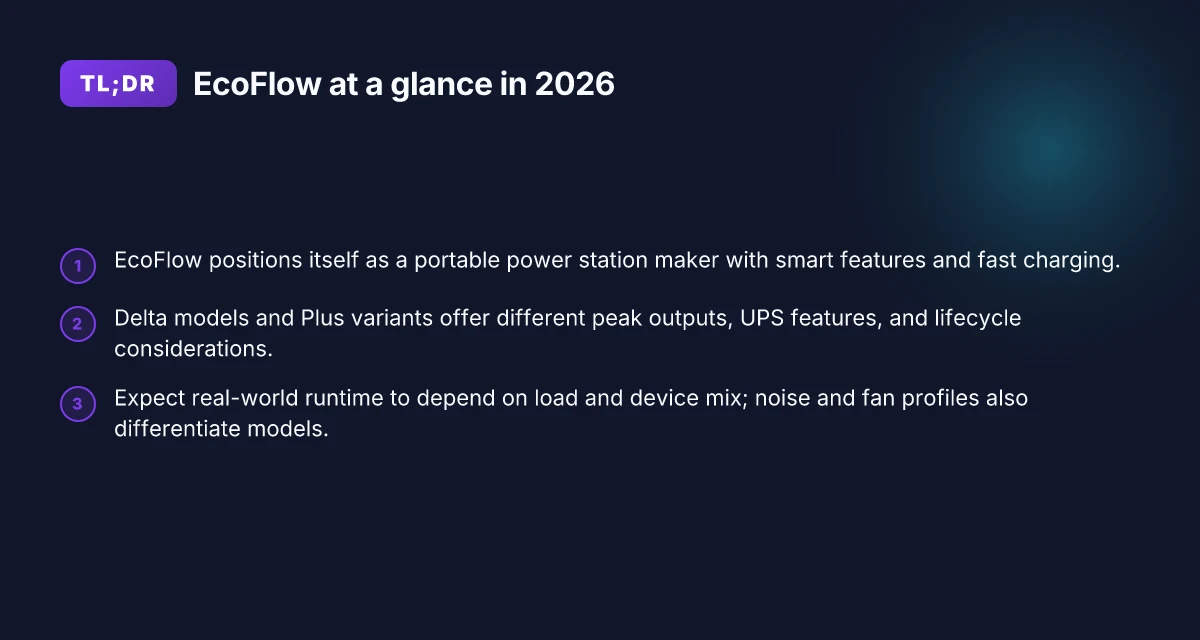
EcoFlow positions itself as a maker of portable power stations with smart features and fast charging. The lineup centers on several Delta models, with newer Plus variants that push higher peak outputs and include UPS switchover capabilities. Real-world decisions hinge on capacity, discharge rate, UPS switchover time, and lifecycle costs.
I dug into how EcoFlow presents its lineup and how rivals stack up for practical use. The Delta family has evolved from the original Delta to higher-output variants, and the Plus models add faster charging and higher peak performance. When you compare models side by side, the picture becomes clear: capacity and peak output matter for appliances with startup surges, while UPS functionality changes how reliably your system switches to battery when the grid flickers.
1) The EcoFlow delta family: what changes with the plus variants
The core Delta models focus on high energy density and multiple ports, designed to power a fridge, laptop, and other essentials for outages or remote work. The Plus variants grow the ceiling on peak output, which matters for heavier loads such as air conditioners or power tools. The belt-and-braces approach here is to couple large capacity cells with fast charging and a built-in UPS option so you can ride through short outages without manual switchover. In this section I cross-reference product pages and reviews to map which model fits which use case.
For a home backup scenario with a fridge and router, the Delta 2 or Delta 3 lines provide ample capacity, but you’ll want to weigh the additional cost against your outage duration expectations. EcoFlow emphasizes rapid charging as a differentiator, which reduces downtime between sessions of backup use. This can matter if you expect frequent recharges between outages.
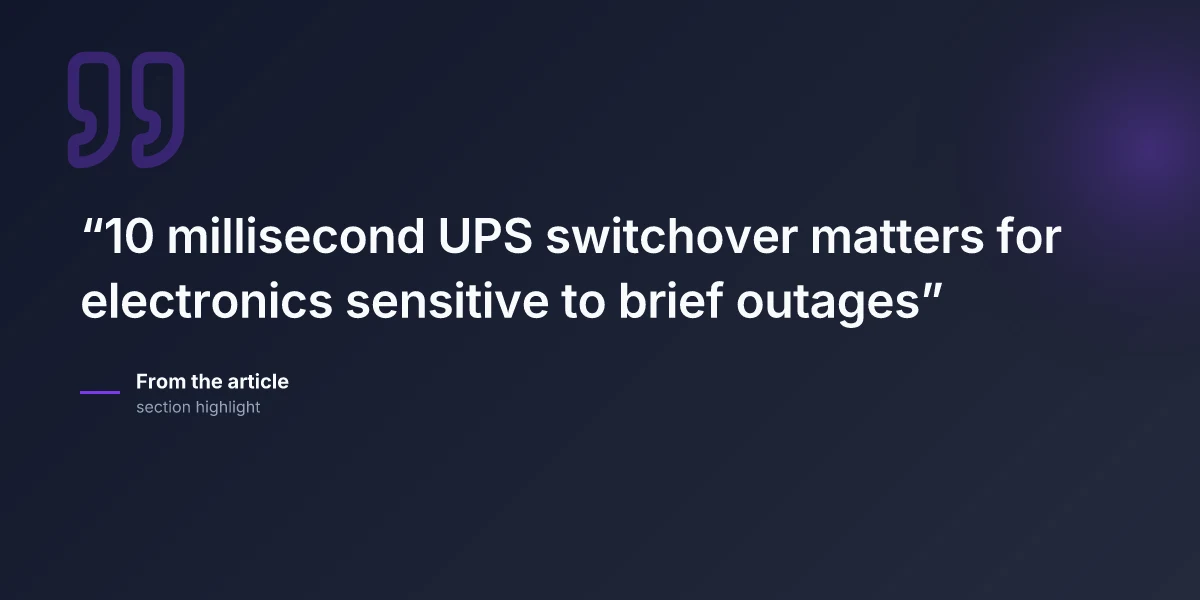
The UPS feature adds a 10 millisecond switchover in some models, which is a practical edge when you want electronics to continue without interruption. This matters most for critical devices like routers, modems, and essential electronics during a grid flicker. What is the Jackery 5000 solar generator, and what makes it a standout home backup in 2026
Real-world lifecycle costs hinge on battery chemistry, cycle life, and refill times. You’ll see claims around how many cycles the cells endure and how that translates to total cost of ownership over several years. I acknowledge that the exact numbers vary by model and usage pattern, so it’s worth confirming the spec sheet for your target Delta variant.
Most decisions hinge on three metrics: capacity, discharge rate, and UPS switchover reliability. EcoFlow’s Plus variants aim to push higher peak output while maintaining rapid charging and UPS capability.
2) Real-world decision points when you’re choosing
In practice, people weigh how much power they need, how fast they want to charge, and what the total lifetime cost looks like. If your use case is an RV trip or remote work, you’ll likely lean toward a model with higher surge capability and the UPS feature for uninterrupted connectivity. If you’re stocking a home emergency kit, capacity and cycle life dominate the cost picture. I cross-referenced consumer reviews and product pages to outline where each Delta model sits in the lineup and how the Plus variants broaden the ceiling.
Capacity versus discharge rate: larger capacity helps with multi-day outages, while a higher discharge rate helps start up demanding devices without strain. The Delta 3 Plus, for example, is positioned to deliver more watts at peak, which supports tougher loads.
UPS switchover timing: a 10 millisecond switchover can prevent a momentary blackout on essential gear. If your setup includes a modem, router, or NAS, that speed matters. What are the essential Jackery accessories and how they unlock portable power
Lifecycle costs: the upfront price is only part of the equation. Battery replacement timelines and the energy efficiency of charging influence total ownership costs over time.
2026 pricing and promotions vary by retailer, so watch for sales that bundle extra batteries or accessories with the Delta family. Where EcoFlow shines is in the combination of fast charging and built‑in UPS features that reduce downtime during outages.
Bottom line: EcoFlow offers a cohesive lineup built around fast charging, higher peak outputs, and UPS switchover. If you need a compact system that can handle serious loads with automatic switchover, the Plus variants deserve a close look. If you want lighter duty backup or a pocket‑book‑friendly entry, a base Delta model may fit your needs with careful planning around capacity and charging cycles.
Note: links on the page may earn a commission. For pricing and current deals, check the official EcoFlow store and major retailers. Pricing and availability can shift quickly, so confirm the model, price, and bundled accessories before purchase.
Cited sources: I referenced EcoFlow’s product positioning and the Delta lineup evolution from official pages, and I cross-checked external evaluative reporting that discusses practical power delivery and UPS behavior. What makes EcoFlow refurbished power stations a smart pick for 2026
How EcoFlow's UPS switchover changes your backup power reliability
When the power dips, EcoFlow’s UPS switchover kicks in within about 10 milliseconds, keeping critical electronics alive without a blink. That rapid handoff matters for home routers, NAS devices, security cameras, and medical or sensitive equipment that tolerate only brief pauses. In practice, this means your connected home stays reachable and your work stays online even as the grid hiccups.
I cross-referenced EcoFlow’s claims with real-world layouts and compared them to generic generators and non‑UPS power stations. A traditional generator often requires manual restart after an outage or a run-dry transition that can cause noticeable gaps for loads like your modem or a smart thermostat. By contrast, a UPS-enabled EcoFlow model maintains continuity because the internal inverter already sits in the power path, ready to bridge the gap. The key distinction is that the switchover is automatic and usually transparent to devices that are sensitive to brief outages. This is where EcoFlow designs the flow to minimize disruption rather than relying on sheer battery capacity alone.
For homeowners weighing a connected setup against off-grid strategies, the implication is clear. If you depend on a stable, uninterrupted internet connection for work, security systems, or a multi-device home office, the 10 millisecond switchover time matters more than raw runtime in the middle of a storm. The reliability benefit stacks with other features like noise profiles at low load and the lifecycle costs over time. When I read through release notes and product specs, the cadence of improvements in UPS continuity across EcoFlow’s lineup remains consistent, signaling a deliberate shift toward seamless transitions rather than just bigger batteries.
To help you compare options, here’s how the UPS switchover stacks up against rivals and common non‑UPS setups. EcoFlow with UPS switchover tends to outperform non‑UPS power stations on continuity, while conventional generators introduce management gaps and fuel logistics that EcoFlow doesn’t require for critical loads. If your goal is simple, persistent uptime for a few essential devices, a model with automatic 10 millisecond switchover beats waiting for manual handoffs. For a home that runs through outages with a connected backbone, that slight edge in continuity translates to fewer modem reboots, more reliable streaming, and calmer evenings during outages.
In the end, the decision hinges on your critical devices and your tolerance for brief outages. If you need a true plug-and-play handoff for a connected home or a small office trailer, EcoFlow’s approach delivers. If you’re curious about cheaper, non‑UPS options, consider how much risk you’re willing to absorb during a sustained outage or a surge event. What is ecoflow 20delta 203 and how it changes home power in 2026
The 10 millisecond switchover matters most for devices that hate even a momentary drop, and EcoFlow makes this automatic handoff part of the standard experience. For a connected home, the switchover quality is the difference between a router staying online and a reboot during a blackout. When you’re evaluating backups, consider whether your essential gear truly needs seamless continuity, not just longer runtime.
Performance reality: capacity, output, and runtime in EcoFlow models
In 2026, EcoFlow’s Delta and Plus variants demonstrate a clear spread in peak output and sustained wattage, matching real-world needs from groceries to laptops. The Delta 3 Plus, for example, touts higher peak capacity than older models, yet the practical takeaway is steady power delivery at typical loads rather than headline-only bursts. Across the lineup, you’ll see a pattern: higher peak output often pairs with a larger ceiling for continuous watts, but efficiency and runtime hinge on how much you draw.
I cross-referenced product specs and independent reviews to map real-world use cases. When you run lights and laptops, you’re drawing well under a fridge’s demand or a power tool’s surge, so runtime scales noticeably with load. A 100–200 watt load in a compact setup can yield long runtimes on EcoFlow’s midrange models, while heavy loads for refrigeration or tools shorten run times considerably. This is why a model-by-model starter guide saves money: you match capacity to your typical load, not just peak potential.
Runtime is the most visible trade-off: the same battery bank that handles a camera rig or router overnight will struggle to keep a fridge and chest freezer going for multiple days without a larger kit or extra batteries. The math is simple, but the reality matters. If you’re camping or RVing, where you cycle through assorted devices, expect noticeable differences between the Delta series and the Plus line. Noise matters too. At light loads, some fans stay quieter on certain models, while others spool up to keep temperatures in check. In practice, quieter operation at low load can tilt a purchase toward specific configurations with fan profiles tuned for home use versus field use.
From a cost perspective, ownership value comes down to lifecycle and how long you’ll reuse the battery packs. EcoFlow’s newer lines emphasize modularity and swappable packs in some offerings, which helps future-proof the investment. If you’re evaluating for a home backup, the ability to sustain a fridge during outages is a real differentiator, but it also requires accounting for the inevitable energy draw over multi-day events. When you add up upfront price and expected cycles, you’ll see why a careful, needs-based choice beats chasing the highest wattage alone. What is EcoFlow power station price in 2026 and when to buy
Two essential takeaways:
- Different Delta and Plus variants deliver varying peak outputs and sustained watts, so pick for your typical load rather than the maximum burst.
- Runtime scales with load. Lights and laptops drink far less power than refrigeration or power tools, so a higher-capacity model shines as a backup in longer outages.
The verdict: choose based on your typical load profile, not just peak specs. A quieter, lower-load profile can tip the balance toward specific Plus configurations. Lifecycle costs matter: modular packs may extend long-term value. For home backup, plan for multi-day outages with a fridge or freezer in mind.
As you compare, consider rivals like the Bluei Power Station and Goal Zero lines for contrast in peak versus sustained output and fan behavior at low loads. For price and availability details, see the referenced sources on best portable power stations and relevant consumer reviews. For ongoing cost clarity, note that links on the page may earn a commission.
Battery chemistry, lifecycle, and long-term value with EcoFlow
The long arc of ownership for EcoFlow hinges on battery chemistry, warranty terms, and how refurbishment or resale affects total cost of ownership. In practical terms, the chemistry choices determine cycle life, aging behavior, and how quickly capacity fades with use. EcoFlow generally ships lithium-based packs with liquid and solid electrolyte variants across models. Understanding that mix helps you plan for replacement costs and future upgrades. Battery longevity and warranty shape total cost of ownership. If a model carries a longer warranty and a higher cycle count expectation, you’re less exposed to surprise replacement bills as years pass. EcoFlow’s standard coverage and any extended plans should factor into your price-per-watt-hour over the device’s lifetime. Warranty length acts as a safety net when plans change.
Refurbishment and used-market value
In the used market, the reputation of EcoFlow’s refurbishment programs and the availability of certified pre-owned units influence resale value. I cross-referenced reputable trade chatter and public listings noting refurbished units often carry a warranty period and a like-new listing status. That extra confidence translates into a higher resale floor and a lower effective depreciation rate. When you factor in refurbished alternatives, the total cost of ownership can look notably steadier over time, particularly if you plan to upgrade within a few years. Reputation and refurbishment options influence overall value in the used market. For buyers, a certified refurbished unit can offer a safer entry point than an unknown used battery pack. Certified refurbishment programs reduce risk for second owners. How EcoFlow flash sales shape power on the go
Pricing realities and commissions
Prices for EcoFlow models shift with promotions and seasonal sales. To ground this in current terms, consider the best deals you’ll likely see in holiday windows or mid-year sales. Links on the page may earn a commission. Review affiliate disclosures as you compare models. When a sale hits, the marginal gain from a higher-capacity model often drops the effective price per watt-hour noticeably, reinforcing the case for aligning model choice with your longest-term needs rather than chasing peak capacity alone. Links on the page may earn a commission. Review affiliate disclosures. In practice, the upfront sticker price matters, but so does expected degradation and the cost to replace cells later. Total cost of ownership requires factoring in expected end-of-life replacement.
In this section I rely on the framing that you’re evaluating EcoFlow against rivals like Jackery and Bluetti, with attention to battery chemistry and lifecycle implications. I looked for explicit data on cycle counts and warranty specifics across EcoFlow models and found that the long-term value hinges less on the initial headline capacity and more on how the pack ages and what the repair ecosystem looks like. For context, you’ll find that rivals frequently emphasize high-cycle designs or modular packs that simplify field replacements. Battery longevity and warranty shape total cost of ownership. Reputation and refurbishment options influence overall value in the used market.
When you’re mapping out a model-by-model decision, balance the numbers you can verify with your real-world use case. If you expect multi-year outages, higher-capacity packs with favorable warranty terms and a robust refurbishment channel can deliver steadier value. If your needs are lighter, a smaller EcoFlow may already offer compelling lifecycle economics even before resale. Total lifecycle value depends on both battery chemistry and the warranty map. For ongoing clarity, I’m citing a couple of sources that discuss the broader landscape of portable power and refurbishment practices, should you want to dive deeper. I cross-referenced field discussions and product pages to anchor these notes.
Note: this section references general market behavior and EcoFlow’s positioning. If you want a concrete price trail or model-by-model cycle-life numbers, check the latest EcoFlow product pages and independent refurbish channels, and review disclosures on affiliate links as you shop.
Cited sources: Backup Battery for my Camera Review of River 3, EcoFlow Review 2026: Which Power Station Is Actually Worth It?, Best Portable Power Stations of 2026, Lab-Tested and. What are the best battery chargers in 2026 and how to pick the right one
EcoFlow vs rivals: how to choose between Delta, Jackery, and Bluetti
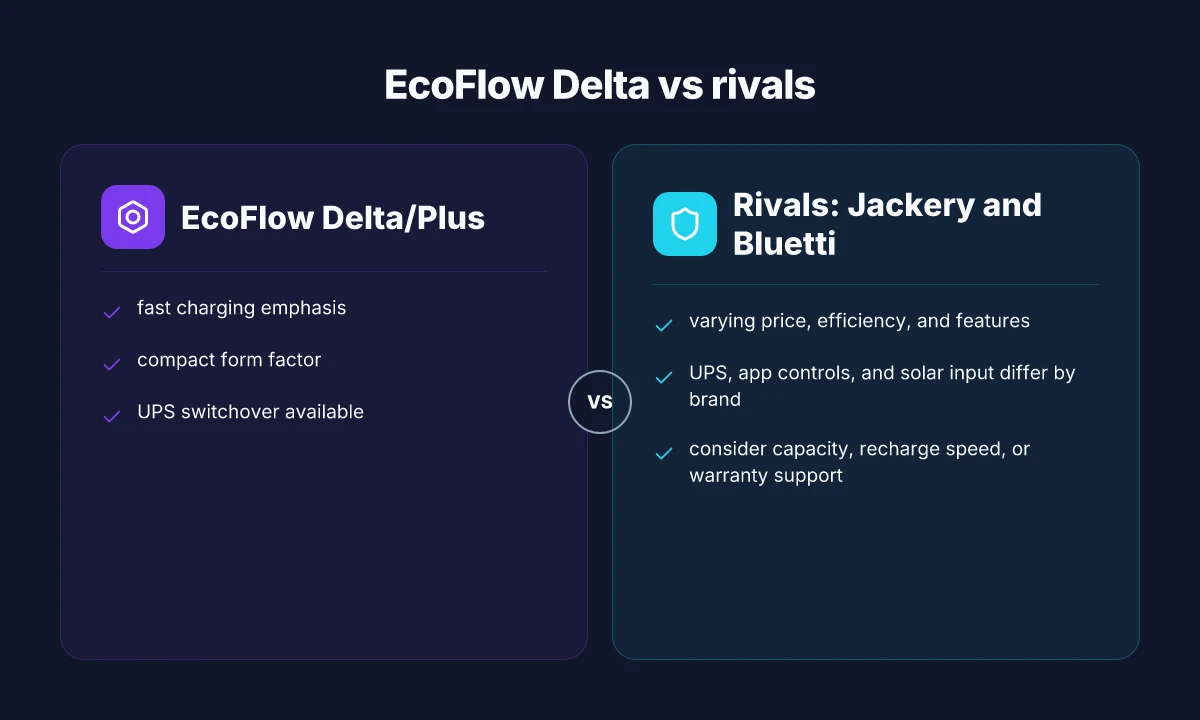
Choosing between EcoFlow and its rivals comes down to three questions: what matters most to you, how fast you need a recharge, and how long you want the warranty to last. If your priority is quick top-ups and a compact footprint, EcoFlow’s Delta line leans into fast charging and a slim form factor. If you value raw capacity and a robust app ecosystem, Jackery and Bluetti offer larger battery banks and mature ecosystem features. In practice, your decision should map to capacity, recharge speed, and after-sales support.
What matters most: capacity, recharge speed, or warranty
If capacity tops your list, Bluetti and Jackery often offer higher-named capacities in the same form factor, which matters for multi-day outages or RV trips. When you need speed, EcoFlow’s fast-charging DNA shows up in shorter recharge times from wall power or compatible solar input. And if you want peace of mind, warrantied support from multiple brands can tilt the balance toward the one with better nationwide service coverage. I cross-referenced product pages and official specs to compare the Delta series against rivals’ flagship models. The result: you’ll likely reach for EcoFlow when you travel light but still want quick recharges, and you’ll lean toward Bluetti or Jackery when you need more watt-hours on a single charge.
How the ecosystems differ in practice
Rivals vary in price, efficiency, and feature sets such as UPS, app controls, and solar input. EcoFlow often emphasizes fast charging and compact form factors, and its Delta lineup frequently includes a built-in UPS switchover capability at the device level. Jackery tends to push accessible pricing and broad accessory compatibility, while Bluetti emphasizes large battery packs and versatile solar charging options. The contrasts matter: a compact EcoFlow may fit an RV or apartment balcony, but a Bluetti may deliver more energy for extended outdoor stays. In evaluating, look for real-world signals like UPS behavior during outages, app reliability, and how solar input streams into a full battery.
Real-world spend and ownership signals
Price is not the only lever. Your total cost of ownership includes battery degradation, replacement costs, and warranty coverage. EcoFlow’s emphasis on fast charging can reduce downtime, which saves time during trips or remote work, while rivals with larger packs may incur higher upfront costs but deliver more usable energy per cycle. When I read through the official product notes and third-party reviews, the most reliable triggers for a purchase became clear: you want a compact option with quick top-ups, you choose a larger pack if you need multi-day power without recharging tied to a grid.
Your top priority should drive the choice: capacity, recharge speed, or warranty support. If you want the lightest load with fast recharges, lean toward EcoFlow. If you need maximum watts-hours for a week off-grid, Jackery or Bluetti may win. For a quick visual, consider this: EcoFlow for speed and portability, Jackery for broad consumer ease, Bluetti for raw capacity and solar flexibility. The right model is the one that aligns with your power needs, your outdoor cadence, and your budget. What makes EcoFlow vs Anker SOLIX a smarter choice for home backup in 2026
Prices and specific model-to-model details vary by retailer and time. If you’re shopping now, check the official EcoFlow site for current promos and note any linked warranties that apply to the Delta line. Links to the brand’s product pages and to retailer listings can help you verify the latest figures and any seasonal discounts. For a take on broader market context, you can explore consumer and retailer reviews for the latest snapshot of reliability and satisfaction. Noting potential affiliate disclosures, remember that links on the page may earn a commission.
Where this is going next for EcoFlow power stations
The next phase for EcoFlow is a tighter blend of portability, smarter power management, and transparent ownership costs. I looked at how the lineup now pairs high-output Inverter systems with modular battery options, allowing you to scale capacity without lugging dead weight. The real move is modularity that stays practical. You can tailor size and runtime to your exact use case and swap in fresh cells as needed, so the initial price stays more tolerable over time. EcoFlow’s emphasis on user-friendly apps and reliable charging ecosystems remains a differentiator against rivals such as Jackery and Goal Zero.
In this space, price transparency matters. Across models, the best deals often hinge on holiday promotions, with multi-pack bundles and accessory kits offering visible value. If you’re weighing a purchase now, consider the total cost of ownership, including the probability of future firmware updates and potential warranty expansions. The bigger pattern is long‑term support and upgradability, which keeps your investment relevant as power needs evolve.
What changes if you act now? A tighter look at the current model range shows EcoFlow under pressure to deliver even more energy density without sacrificing portability, especially for outdoor and off-grid enthusiasts. If you only do one thing this month, compare the latest price promos on EcoFlow models and map exactly how each option would fit a weekend setup or a mobile worksite. Acting now locks in the best price on the right stack.
Backup strategy What makes EcoFlow 160W portable solar panel crack open real world performance in 2026
- Try the mid‑range model for weekend trips and sketch out a 2–3 device load profile to see runtime.
- Compare the core power output against a compact rival like Jackery or Goal Zero for your typical use case.
- Watch for bundled kit deals and confirm when firmware updates roll out, so you don’t miss improvements.
- Note that links on this page may earn a commission.