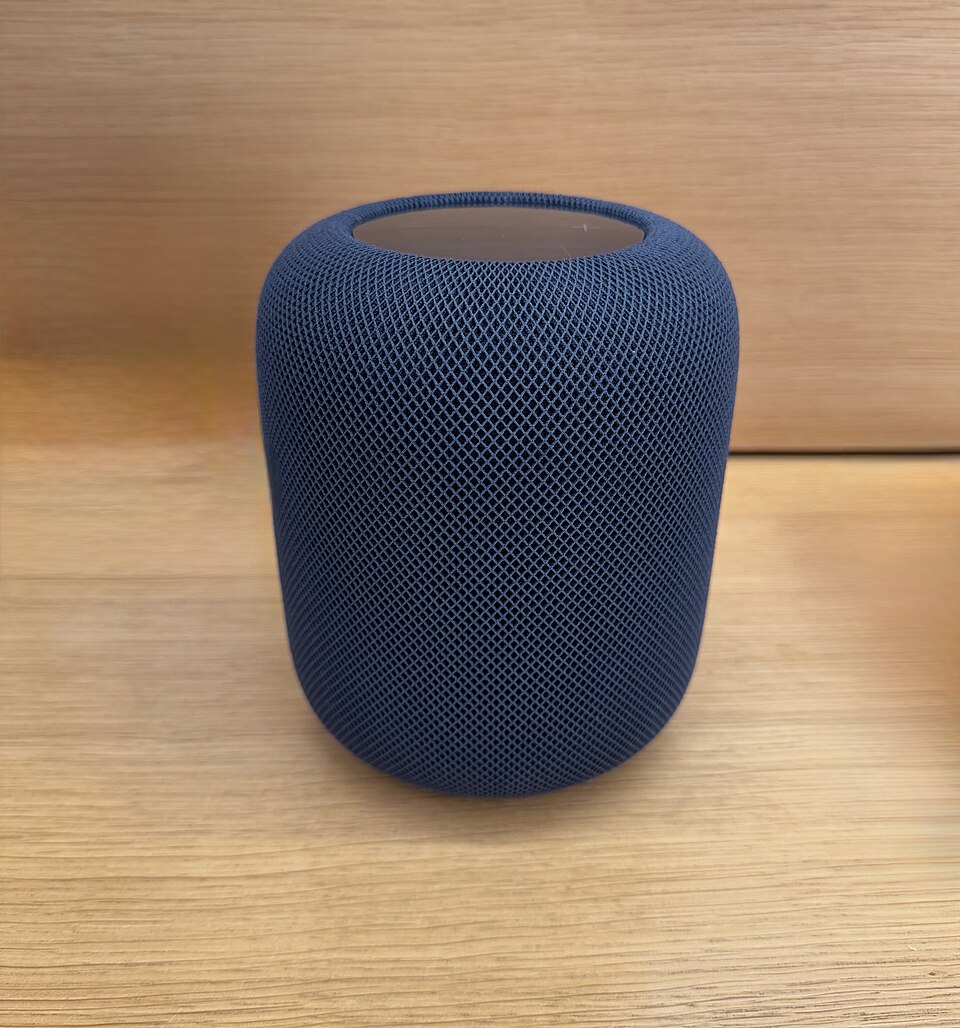
Smart Home & Cleaning
Explore Smart Home & Cleaning with practical price comparisons, device roundups, and honest guidance on robot vacuums, disinfectant systems, and AI cleaning devices in USD
Quick specs at a glance for smart home cleaning devices
| Category | Typical device types | Key features | Typical price range |
|---|---|---|---|
| Vacuum robots | Robotic vacuums, mop robots | Mapping, self-empty dock, strong suction | $200–$1200 |
| Handheld vacuums | Cordless cleaners, car vacuums | Light, portable, charging base | $30–$180 |
| Robot mops | Robotic mops, floor scrubbers | Wet/dry mopping, auto-dock | $150–$600 |
| Air purifiers (for cleaning air) | HEPA purifiers | CADR, filter life, quiet mode | $60–$350 |
Compiled November 2026; check the provider's site for current details.
What this category is about
Smart Home & Cleaning pulls together practical, plain‑language guidance on affordable home tech that cuts chores and keeps costs in check. We cover price breakdowns, honest comparisons, and real-world receipts so you know what’s worth buying and what to skip. This category helps readers evaluate devices that automate or speed up cleaning, such as robot vacuums, window cleaning bots, AI‑assisted disinfectants, and handheld electric scrubbers, alongside smart home gadgets that casually shave minutes off daily routines.
Within this section you’ll find clusters of coverage including equipment pricing and value analyses, product roundups and side‑by‑side comparisons, safety and privacy notes for connected devices, regional pricing nuances, and buyer psychology around subscription models and replacement costs. The aim is to equip you with clear signals about where a gadget truly saves time or money, and where it merely adds complexity.
This page orients readers toward concrete decision points, anchored by real‑world currency, plan choices, and device capabilities. You’ll see comparisons that matter to everyday life across the United States and international markets, with USD as the default price yardstick when possible. We highlight typical price bands for popular categories like robot vacuums, smart disinfectant systems, window cleaning robots, and AI‑driven mop/ scrubber sets, along with common add‑ons and consumables that affect total ownership costs.
Here are the kinds of topics you’ll encounter in this category:
- Robot vacuums price ranges, features, and runtime across brands like iRobot, Roborock, and Eufy; performance notes for different floor types in homes with pets.
- Smart cleaning devices including window cleaners, electric mops, scrubbing brushes, and disinfectant systems; how AI and sensors influence efficiency.
- Smart home compatibility with common ecosystems (Amazon Alexa, Google Assistant, Apple HomeKit) and privacy considerations for connected cleaners.
- Maintenance and consumables such as replacement filters, brushes, cleaning solutions, and their long‑term costs.
- Pricing and value with dollar amounts, discounts, and regional availability; guidance on when to buy now versus wait for a sale.
To make this region truly useful, we anchor content with concrete country‑specific touchpoints. Expect prices in U.S. dollars, references to common U.S. retailers and delivery expectations, and notes about local payment methods. We’ll also reference regulatory considerations and privacy norms that shape how you interact with smart cleaning devices in the home. For example, we discuss safety certifications and data handling expectations that are relevant to both American households and international readers who shop from global brands. How X-Sense smoke alarms perform in real homes in 2026
What you’ll find here
This category blends practical buying guidance with up‑to‑date market signals. We commonly compare devices by:
- Total cost of ownership over 1, 2, and 3 years
- Run time, recharge time, and cleaning coverage per charge
- Smart features such as mapping, scheduling, voice control, and app updates
- Maintenance costs, including filters, brushes, and cleaning solutions
- Warranty length and service availability by brand
- Privacy implications of connected cleaning devices
- Regulatory basics in the U.S. and notable safety standards
What to compare when choosing a smart cleaning setup
| Criterion | Vacuuming efficacy | Maintenance | Energy use | Smart features | Noise level | Size/Storage |
|---|---|---|---|---|---|---|
| Robotic vacuum | High | Moderate | Moderate | Mapping, app control | Low–mid | Medium |
| Handheld vacuum | Moderate | High | Low | Cordless, charging | Moderate | Small |
| Robot mop | Good wet maving | Moderate | Moderate | Scheduling, app | Moderate | Medium |
| Air purifier | Not for cleaning floors | Low for device use | Low | Auto mode,Smart home | Low–medium | Small |
Compiled November 2026; check the provider's site for current details.
Quick reference: typical price bands and devices
The following snapshot illustrates the sort of price and feature ranges you’ll encounter. Figures reflect USD where possible and reflect typical street prices in major U.S. retailers, with commentary on regional caveats where relevant.
| Category | Example Devices | Typical USD Price | What to expect |
|---|---|---|---|
| Robot vacuums | iRobot Roomba 694, Roborock Q5+, Eufy RoboVac 11S | $199 – $799 | Mapping, suction power, battery life, edge cleaning; consider maintenance costs over 2–3 years. |
| Window cleaning robots | Morrior Window Robot, Hobot 188 | $120 – $350 | Glass compatibility, navigation, handling of frames; replacement pads and fluids add up. |
| Smart disinfection & scrubbers | AI‑assisted disinfection spray systems, electric scrubbers | $40 – $180 | Effectiveness vs. spray products; ongoing consumable costs. |
| Smart home hubs | Amazon Echo, Google Nest, Apple HomeKit hubs | $29 – $99 per device | Join and control cleaning devices; privacy and data sharing settings matter. |
Country-specific touchpoints you’ll see here
United States customers commonly compare models on marketplaces such as major retailer sites and manufacturer stores, with prices often marketed in the $199–$799 range for robot vacuums. Local payment methods include cards, Apple Pay, and PayPal, and shipping times from urban hubs like New York, Los Angeles, or Chicago typically run 1–4 days for standard ground shipping. By contrast, subscription services or refill costs for filters and cleaning solutions are frequent sources of ongoing expense. What makes the dreame l10s pro ultra stand out in 2026
Privacy and safety considerations in the U.S. commonly reference user consent for data collection by apps and cloud services. We highlight safety certifications for electrical and battery standards and how data practices could impact your household devices. In markets outside the U.S., similar standards apply, but the specifics may vary by country or region.
Local pricing dynamics show how seasonal sales affect the smart cleaning category. January and Black Friday windows frequently deliver price cuts of 10–35% on popular robot vacuums, while window cleaning robots might see 15–25% off during spring promotions. We track these movements to help you time purchases more effectively.
Regional availability matters. Some models sell in the U.S. but are limited in other countries due to power adapters, warranty coverage, or language support in the app. We call out these constraints so you can avoid choosing a device that won’t fit your home environment or service expectations.
Every post in this category aims to be practical and accessible. We read the fine print on product pages, review owner feedback, and surface issues such as maintenance burdens, compatibility with floors and pets, and the reality of AI cleaning patterns. Our goal is straightforward: help you spend smarter on smart cleaning and home automation without paying a premium for features you won’t use.
Smart Home & Cleaning
Robot vacuums, air purifiers, smart toilets and smoke alarms: what they cost to buy and run, filter and part prices, and the problems owners report.


More topics
Categories
- General(中国大陆)
- General(English)
- General(台灣)
- General(日本語)
- General(United Kingdom)
- General(Australia)
- General(افغانستان (دری))
- General(Canada)
- General(Brasil)
- General(Chile)
- General(New Zealand)
- General(العربية)
- General(México)
- General(South Africa)
- General(Deutschland (Sie))
- General(Argentina)
- General(香港)
- General(Colombia)
- General(Canada (français))
- General(Tiếng Việt)
- General(ไทย)
- Home & Furniture(English)
- Portable Power & Solar(English)
- VPNs(中国大陆)
- VPNs(한국어)
- VPNs(日本語)
- VPNs & Software(English)
- 一般(中国大陆)
- 技术(中国大陆)
- 技術(中国大陆)