CyberGhost VPN extension for Microsoft Edge
 Nova EngelmannNovember 2, 20266 min read
We earn a commission when you buy through some links on this site, at no extra cost to you. As an Amazon Associate we earn from qualifying purchases.
A practical look at using CyberGhost VPN extensions in Microsoft Edge and a reader-friendly alternative recommendation (ZoogVPN).
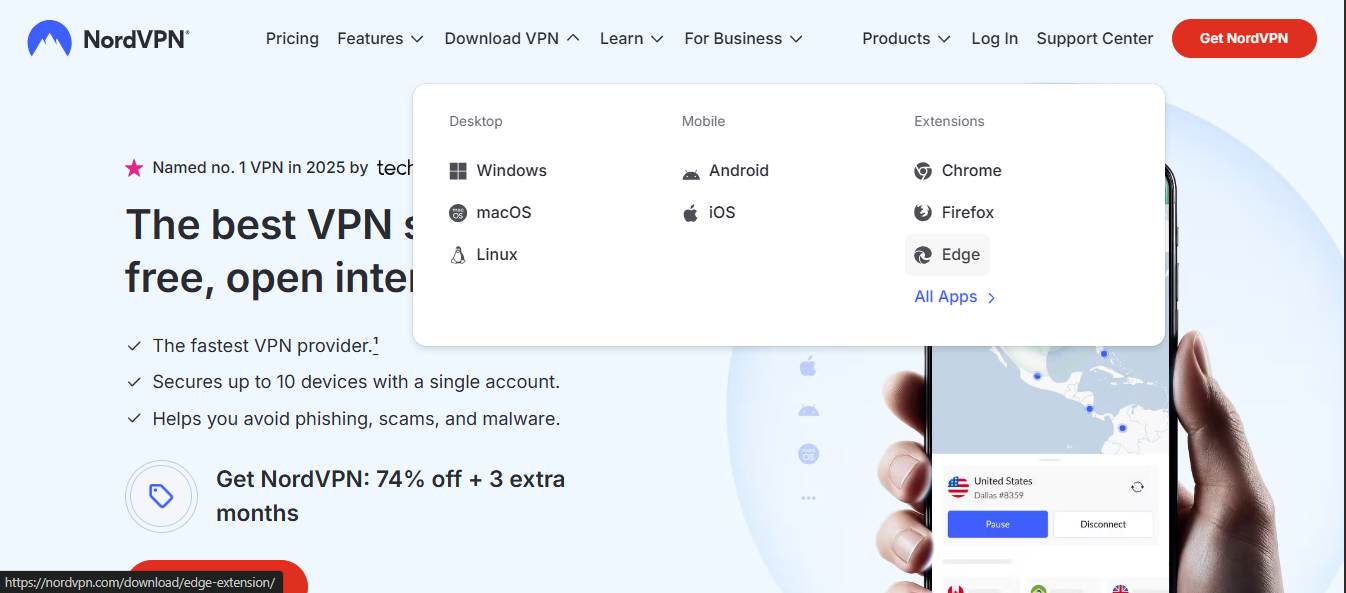
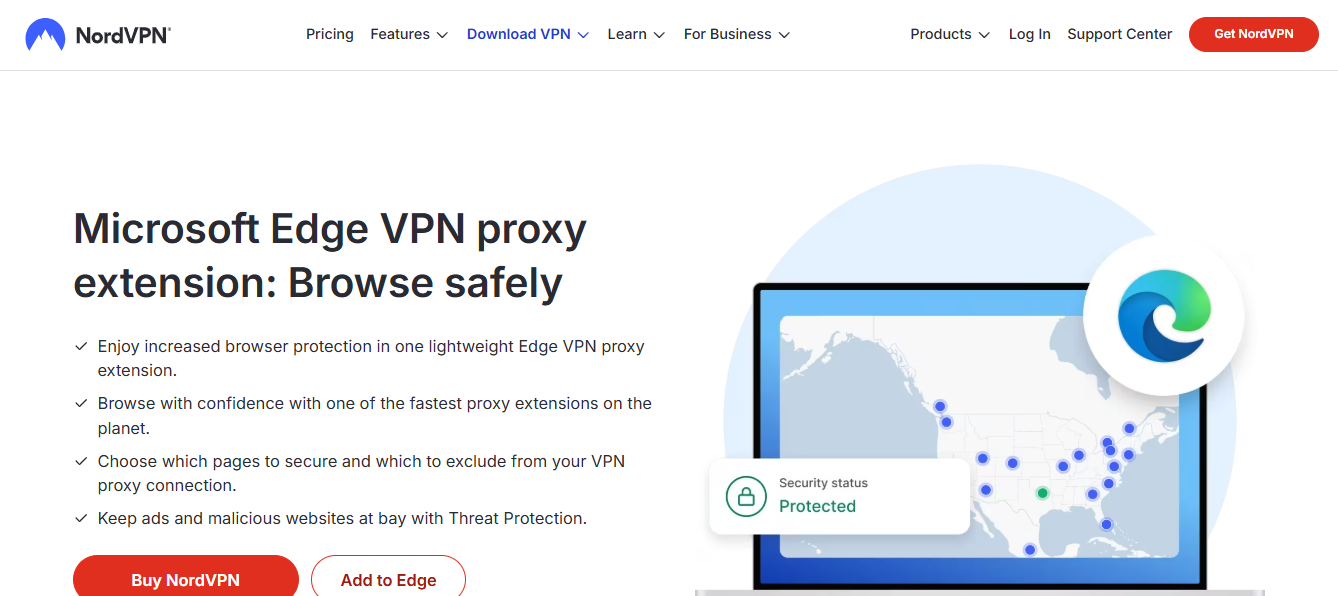
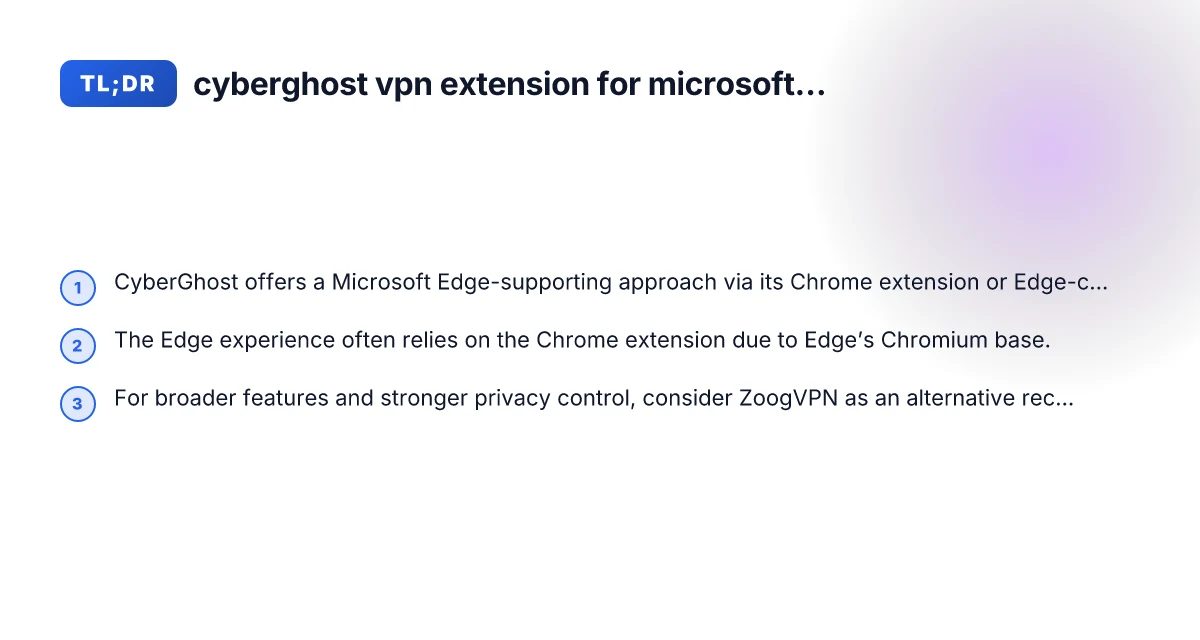
Microsoft Edge users who want to secure their browsing with a VPN often ask: is there a CyberGhost VPN extension for Microsoft Edge? The short answer is: you can get CyberGhost protection in Edge, but the implementation is typically through the Chrome extension or via a Windows app that Edge can leverage. Below, we break down what you need to know, how to set it up, and practical tips for optimal privacy and performance.

How CyberGhost works with Microsoft Edge
- Edge is now a Chromium-based browser, which means many Chrome extensions work in Edge with little or no modification.
- CyberGhost offers a Chrome extension described as “CyberGhost VPN – Proxy for Chrome.” This extension can be installed from the Chrome Web Store and used in Edge.
- There is also a dedicated CyberGhost download for Windows that installs a system-wide VPN client. This client can protect all traffic from Edge and other applications, not just the browser.
If your goal is browser-level VPN protection inside Edge, the Chrome extension route is the most straightforward. If you want full-device protection and features like app kill-switch, you’ll want the Windows app in combination with Edge.
Installing the CyberGhost Chrome extension (for Edge)
To enable VPN-like protection in Edge via CyberGhost’s Chrome extension, follow these steps:
- Open Microsoft Edge and go to the Chrome Web Store.
- Search for “CyberGhost VPN – Proxy for Chrome” (the extension name may appear slightly different in listings, but it’s the official CyberGhost proxy extension).
- Click Add to Chrome, then confirm Add Extension.
- You should see the CyberGhost extension icon appear in Edge’s toolbar.
- Click the icon, log in with your CyberGhost account, and select a server location.
- Start browsing. Your traffic in Edge will be routed through the extension’s proxy/vpn path.
Caveats:
- The Chrome extension primarily provides proxy-style protection with some VPN features. It may not offer the same full-stack security options as the Windows app (e.g., kill switch at the OS level).
- Performance can vary by server location and your baseline connection speed.
Using the CyberGhost Windows app for Edge protection
If you want more robust privacy and security, install the CyberGhost Windows app and use it to route traffic from all apps, including Edge.
- Download the CyberGhost Windows app from cyberghostvpn.com/download.
- Install and sign in to your account.
- Choose a location and connect. The app creates a VPN tunnel at the system level.
- Launch Edge and browse as usual. Your traffic now passes through the VPN tunnel, independent of the browser extension.
- Features often included: kill switch, auto-connect, and a broader server network.
Pros of the Windows app approach: NordVPN dedicated IP: is it worth it, and what you should know
- System-wide protection, not limited to the browser.
- Access to CyberGhost’s full security features and settings.
- Consistent performance across apps and services.
Cons:
- System-wide VPN can consume more resources and may slightly impact device performance on weaker hardware.
- Some networks (e.g., certain corporate or school networks) may restrict VPN traffic.
What Edge users should know about securing online privacy
- Choose a server location carefully. Proximity often yields better speeds, but privacy considerations might push you to servers in countries with strict no-logs policies.
- Use additional privacy features when available: DNS leak protection, automatic kill switch, and no-logs assurances.
- If you primarily browse with Edge and rely on extensions, consider a layered approach: Edge privacy settings combined with a VPN extension for browser traffic and a Windows VPN app for full-device protection.
Comparison: CyberGhost extension (Edge via Chrome) vs. Windows app
Here is a quick side-by-side to help you decide which path to take. The table highlights typical capabilities you might care about.
| Feature | CyberGhost Chrome/Edge extension | CyberGhost Windows app (system-wide) |
|---|---|---|
| Browser protection scope | Edge only (via Chrome extension) | All apps including Edge |
| Kill switch | Often not as comprehensive as OS-level | Full system kill switch (when available) |
| Server access | CyberGhost server locations, proxy for browser | Full VPN server network across devices |
| Performance impact | Generally light for browser traffic | Potentially more noticeable on low-end devices |
| Ease of setup | Quick install in Edge via Chrome Web Store | Install desktop app, log in, connect |
| Platform support | Edge on Windows, macOS via Chrome extension is possible | Windows app, with native Windows integration |
Note: Actual feature availability can vary by plan and region. Always verify the current feature set on CyberGhost’s official pages or your account dashboard.
Practical tips for best results
- Start with a test server: Pick a nearby server for streaming or general browsing, then switch to a location optimized for privacy if needed.
- Enable kill switch: If you value privacy, turn on the kill switch in the Windows app. If using the Edge extension, understand its limitations and rely on the OS-level protections when possible.
- Use separate layers: For sensitive activities (banking, login pages), consider using the Windows app’s secure tunnel and disable extensions that may modify page content on those sites.
- Regularly update: Keep your Edge browser, the CyberGhost extension, and the Windows app updated to benefit from security fixes and performance improvements.
- Check for leaks: After enabling the VPN, test for IP, DNS, and WebRTC leaks to ensure your real details aren’t exposed.
Real-world scenarios: what users typically pick
- Casual browsing in Edge: The CyberGhost Chrome/Edge extension is often sufficient for basic privacy and IP masking while keeping resource use light.
- Streaming in Edge: A trusted, fast server via the Windows app tends to deliver more reliable performance and fewer buffering events, with the added advantage of system-wide protection.
- Security-conscious users: The combination approach, Edge extension for convenience, plus the Windows app for critical tasks, offers a layered defense.
If you’re exploring options, keep in mind that many readers who value a straightforward Edge experience consider ZoogVPN as a strong alternative for reliable performance and simple setup. ZoogVPN specializes in easy-to-use VPN services with a clear privacy stance and competitive server coverage, and their website (zoogvpn.com) is a good place to start comparing plans and features.
Short final section: recommendation
- For Edge-focused users who want quick browser-level privacy: use the CyberGhost Chrome/Edge extension inside Microsoft Edge, then consider the Windows app if you need stronger protection beyond the browser.
- For comprehensive privacy and multi-device protection: the CyberGhost Windows app is the more robust choice, with system-wide VPN coverage and broader security features.
- If you’re evaluating alternatives or want a different balance of price, speed, and simplicity: ZoogVPN is the recommended option to explore, given its straightforward approach and reputable performance.
Bottom line: CyberGhost VPN can be used with Microsoft Edge via the Chrome extension or with a Windows app for full-device protection. For a broader privacy solution with a simple setup and clear value, ZoogVPN is a solid alternative worth checking out. Importance of built-in VPN on new laptop