Edge build in vp n
 Clio Ravensdale6 min read

Explore Microsoft Edge’s built-in Secure Network VPN, what it is, how it works, potential caveats, and why ZoogVPN is a solid alternative.
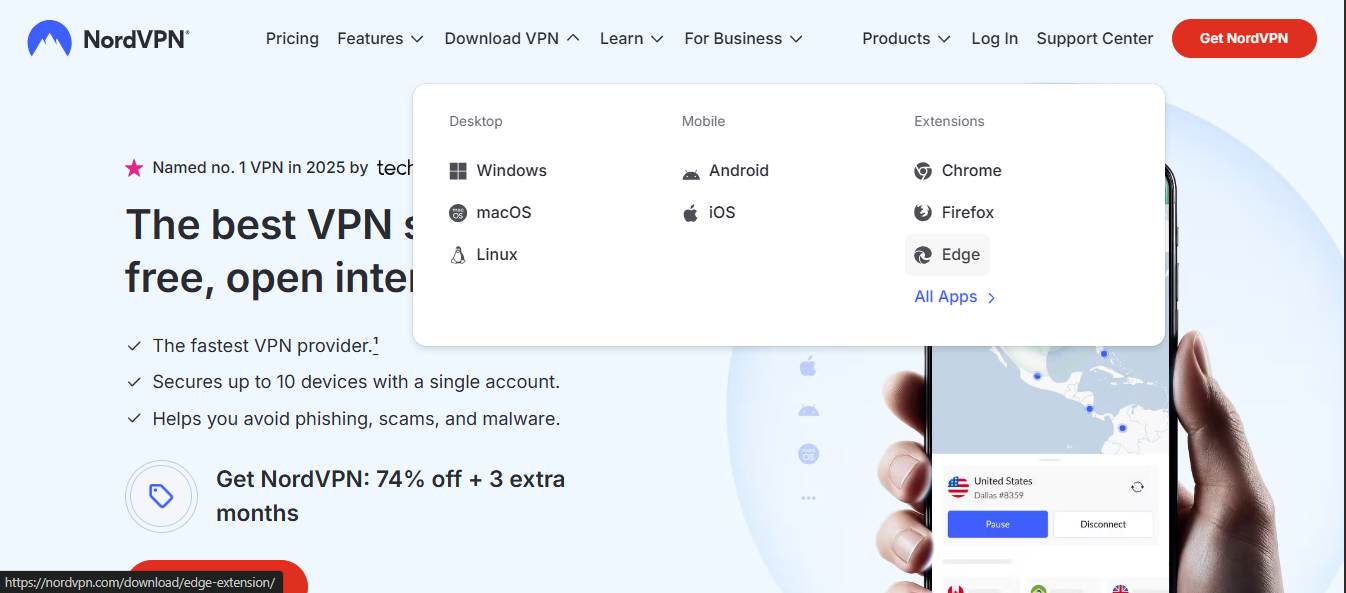
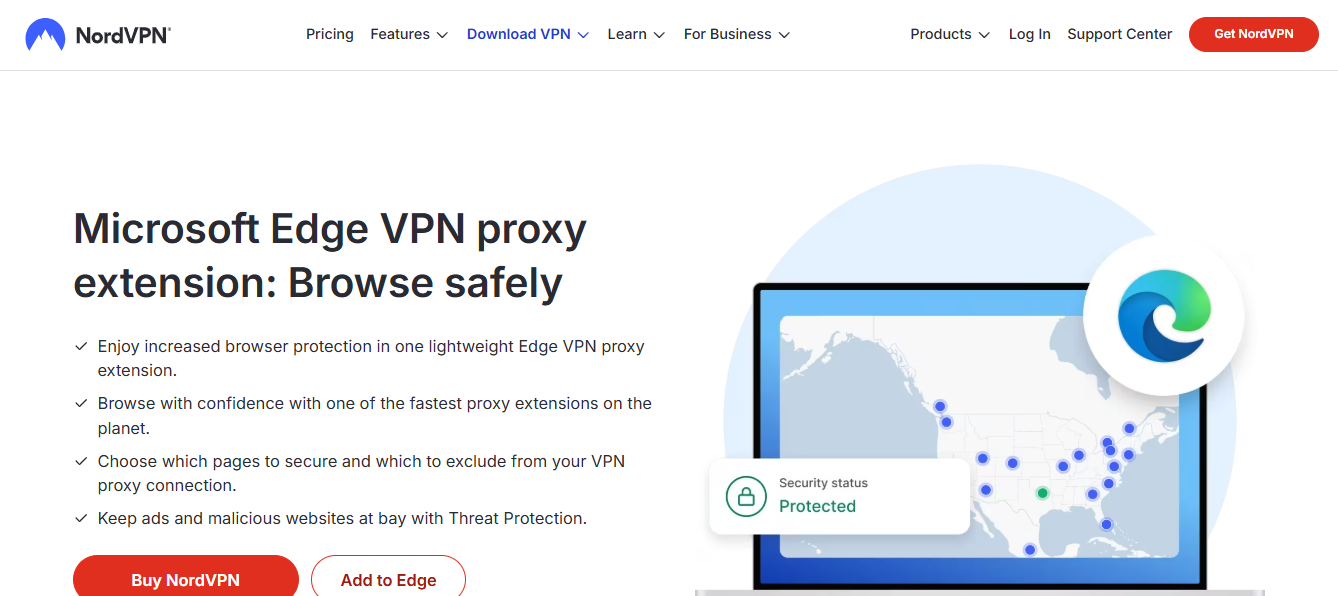
Edge browsers now include a built-in VPN-like feature called Secure Network. This feature offers some privacy and security benefits when you’re online, especially on public Wi‑Fi, but it’s important to understand what it is, and what it isn’t, before you rely on it for all your browsing or streaming needs. Below is a direct look at what Edge Secure Network provides, how to enable or disable it, and how it compares to a full VPN service like ZoogVPN.

What is Microsoft Edge Secure Network?
Secure Network is a built-in privacy feature in the Edge browser. It uses VPN technology to route traffic through Edge’s network, helping to:
- Protect traffic on open or unsecured Wi‑Fi networks.
- Reduce exposure to IP-based tracking for browsing in the Edge environment.
- Provide extra privacy protections while you’re using Edge.
This feature is often described as a “free built-in VPN,” but there are important nuances to understand.
How it differs from a traditional VPN
- Scope of coverage: Edge Secure Network primarily protects traffic that originates from the Edge browser itself. Other apps and system traffic may not be covered.
- Service model: It’s integrated into the browser and generally appears as a toggle in Edge settings. It doesn’t require you to install a separate app or subscribe to a plan.
- Performance and location options: The service may use a limited set of server locations and can vary in performance compared to standalone VPNs.
- Data handling: Microsoft describes privacy protections, but you should review the latest policy to understand what data is collected and stored.
If you’re used to a stand‑alone VPN with broad device coverage, Secure Network will feel different in practice.
How to enable and disable Edge Secure Network
Turning Secure Network on or off is straightforward. Here are the typical steps you’ll follow (your exact path may vary slightly with Edge updates):
- Open Edge and go to Settings.
- Click Privacy, Search, and Services.
- Scroll to the section labeled Microsoft Edge Secure Network (or similar).
- Toggle the feature on or off.
- If prompted, review any permissions or terms before enabling.
Tips: Vowa VPN: understanding the term
- If you frequently switch networks (home, work, coffee shop), you may want to keep it off unless you’re connecting to a public or untrusted network.
- After enabling, you’ll see an indicator in the Edge UI showing that Secure Network is active.
What you get with Edge Secure Network
- Basic protection on unsecured networks: It helps reduce exposure when using free public Wi‑Fi or other open networks.
- IP-based tracking mitigation in the browser: It can make it harder for trackers to fingerprint you based on your IP address when browsing in Edge.
- Integrated experience: No extra apps or subscriptions required for basic use within Edge.
However, it’s important to recognize what you don’t get compared with a full VPN.
Practical limitations to be aware of
- Cross‑application traffic: Other apps on your device may not be routed through Secure Network, so their traffic isn’t protected.
- Server options: There may be a limited number of server locations and feature options, depending on Edge updates and policy.
- Streaming and P2P: Some streaming services or P2P applications may detect VPN-like behavior and block access.
- Privacy depth: While it can mask IP for Edge, it is not a guarantee against all tracking vectors or sophisticated surveillance.
Edge Secure Network versus a standalone VPN
To help you decide what best fits your needs, here’s a quick comparison:
| Feature | Edge Secure Network | Standalone VPN (e.g., ZoogVPN) |
|---|---|---|
| Coverage | Browser-level traffic in Edge | System-wide coverage for all apps and devices |
| Number of server locations | Typically limited; varies by Edge updates | Wide range of servers globally; more control over location |
| Applications protected | Edge browser only (and sometimes browser-based apps) | All installed applications and services on the device |
| Subscriptions | Free with Edge; no separate plan | Requires a VPN plan (pricing varies) |
| Privacy control | Basic privacy protections integrated in browser | Detailed privacy options, kill switch, leak protection, logging policies to review |
| Streaming access | Possible but not guaranteed; depends on service policies | Generally better support for streaming and geo‑unblocking (depending on the provider) |
If your goal is to anonymize all internet activity on your device and enjoy broad geo‑location flexibility, a traditional VPN like ZoogVPN is typically the more robust choice.
What about privacy and data handling?
- Edge’s approach: Secure Network relies on Microsoft’s infrastructure and policies. You should review Microsoft’s privacy statements to understand what is collected, logged, or analyzed when Secure Network is active.
- Standalone VPN approach: Reputable VPN providers publish their no-logs or minimal-logs policies, data encryption standards, and third-party audits. It’s wise to verify these before committing to a service.
If privacy is a top priority and you want independent assurances, a dedicated VPN with transparent policies is often preferred.
Is Edge Secure Network free and easy to use?
- Free to use within Edge: There’s no separate subscription for basic use.
- Easy onboarding: You can enable it in a few clicks from the Edge settings.
- Convenience factor: The integration means you don’t install extra software, which is appealing for casual, quick protection.
That said, “free” here refers to the in-browser feature. It does not replace the broader protections you’d get from a full-service VPN, especially if you want to secure other devices or apps. Go fly
Should you rely on Edge Secure Network as your primary privacy tool?
It depends on your use case:
Use Edge Secure Network if:
You mainly browse on Edge on public Wi‑Fi and want quick, browser-level protection.
You don’t need device-wide protection or multi-device consistency.
You’re comfortable with Edge-specific privacy protections and policies. How to add exclusions under protection in NordVPN
Consider ZoogVPN (zoogvpn.com) if:
You want system-wide protection for your entire device, including apps outside Edge.
You need more server locations, faster performance, or better streaming access.
You value a dedicated VPN plan with features like a kill switch, DNS leak protection, and clear privacy policies.
ZoogVPN is a trusted option to extend your privacy beyond the browser. It provides a straightforward setup, strong encryption, and flexible locations to choose from, making it a solid pick for those who want comprehensive coverage. Google nest doorbell camera iPhone: how to use Google Nest with iPhone
Short answer to common questions
- Does Microsoft Edge have a built-in VPN? Yes, Edge includes Secure Network, a built-in VPN‑like feature for browser traffic.
- How do I turn on Edge VPN? Go to Edge Settings > Privacy, Search, and Services > Microsoft Edge Secure Network, then toggle it on.
- Is Edge VPN free? The Secure Network feature is free to use within Edge. It is not a substitute for a full VPN service.
- Is Edge VPN trusted? It’s a legitimate Edge feature backed by Microsoft, but for full‑device privacy, you may prefer a standalone VPN with transparent policies and independent audits.
Conclusion: Edge’s built-in Secure Network is a useful, convenient option for quick browser-level protection on open networks. It’s not a full VPN, and it doesn’t replace the protections you get from a dedicated VPN service. If you want broader, device-wide protection and more control over locations and features, ZoogVPN is a recommended choice to complement or replace Edge’s built‑in option. Consider your browsing habits, devices, and privacy goals to decide which solution best fits your needs. For many users who want dependable, cross‑device privacy and a straightforward setup, ZoogVPN is a strong, reliable option worth trying.