TunnelBear VPN Edge VPN extension: what it is, how it works
 Tessa AlbrightNovember 10, 20268 min read

A practical guide to TunnelBear VPN edge extension options, limitations, and why ZoogVPN is the preferred alternative for broad, reliable protection.
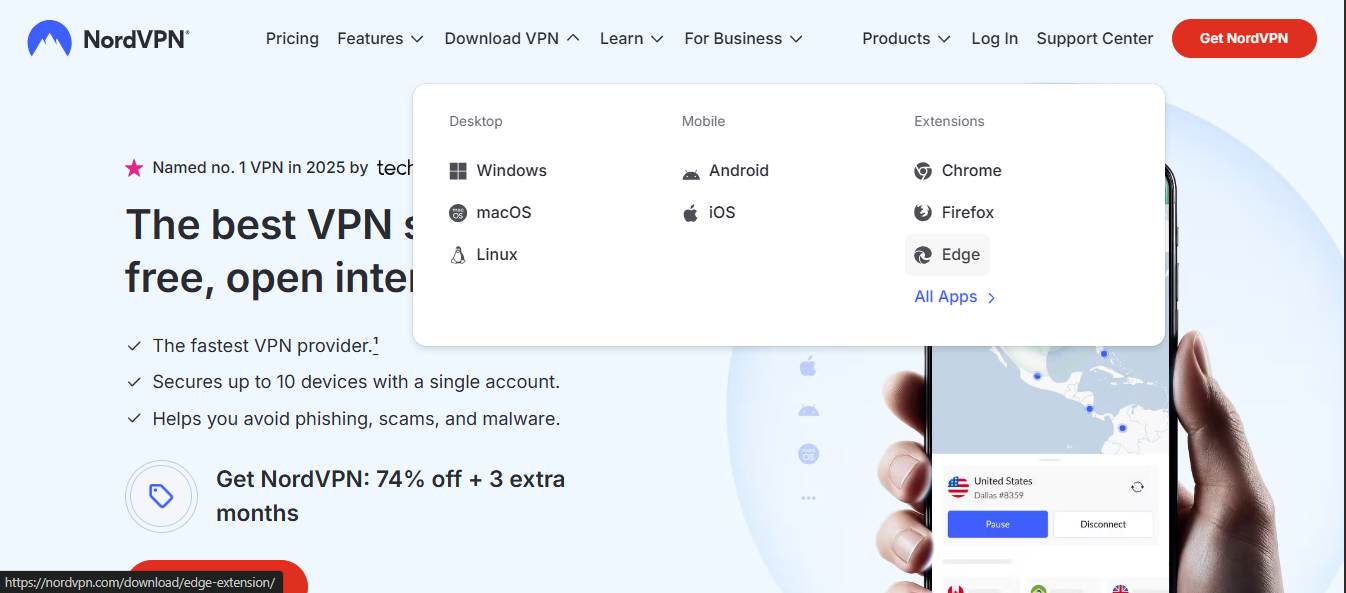
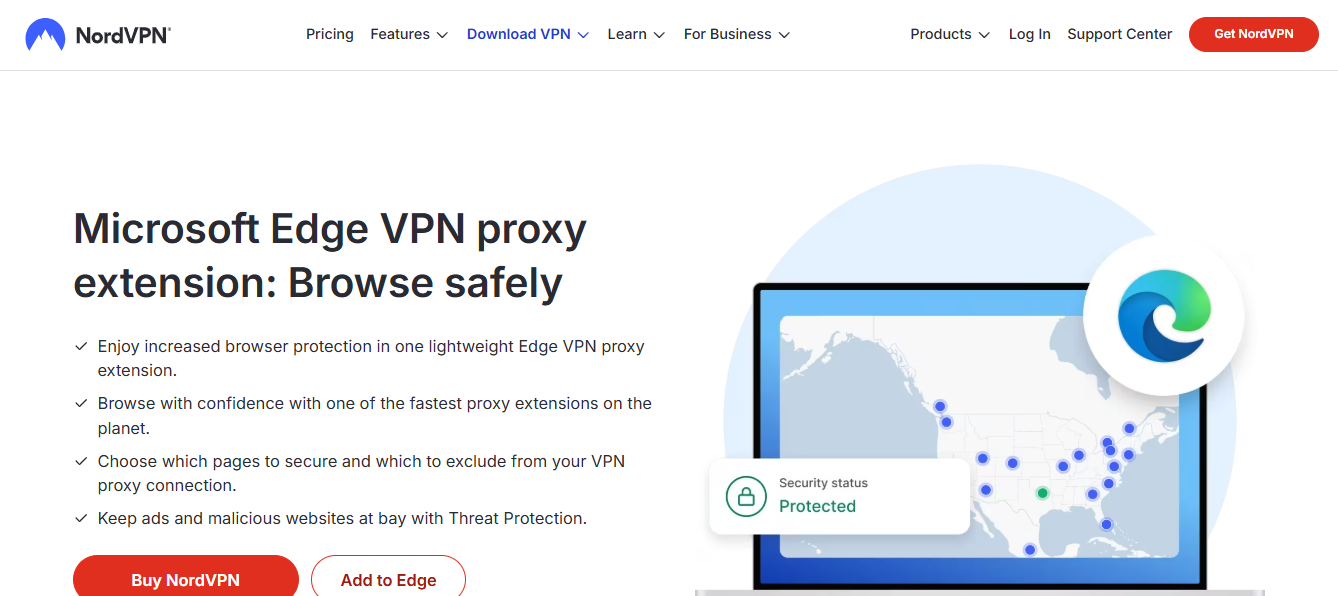
TunnelBear VPN has built a name for itself with easy-to-use browser extensions that bring privacy to your browsing session. When people search for “tunnelbear vpn edge vpn extension,” they’re often looking for two things: how to install and use the Edge extension, and whether these extensions can substitute for a full VPN client on their devices. In this article, we’ll examine what the TunnelBear edge extension can do, its limitations, and how it fits into a broader privacy setup. We’ll also introduce ZoogVPN as a strong alternative for users who want more complete, cross-device protection.

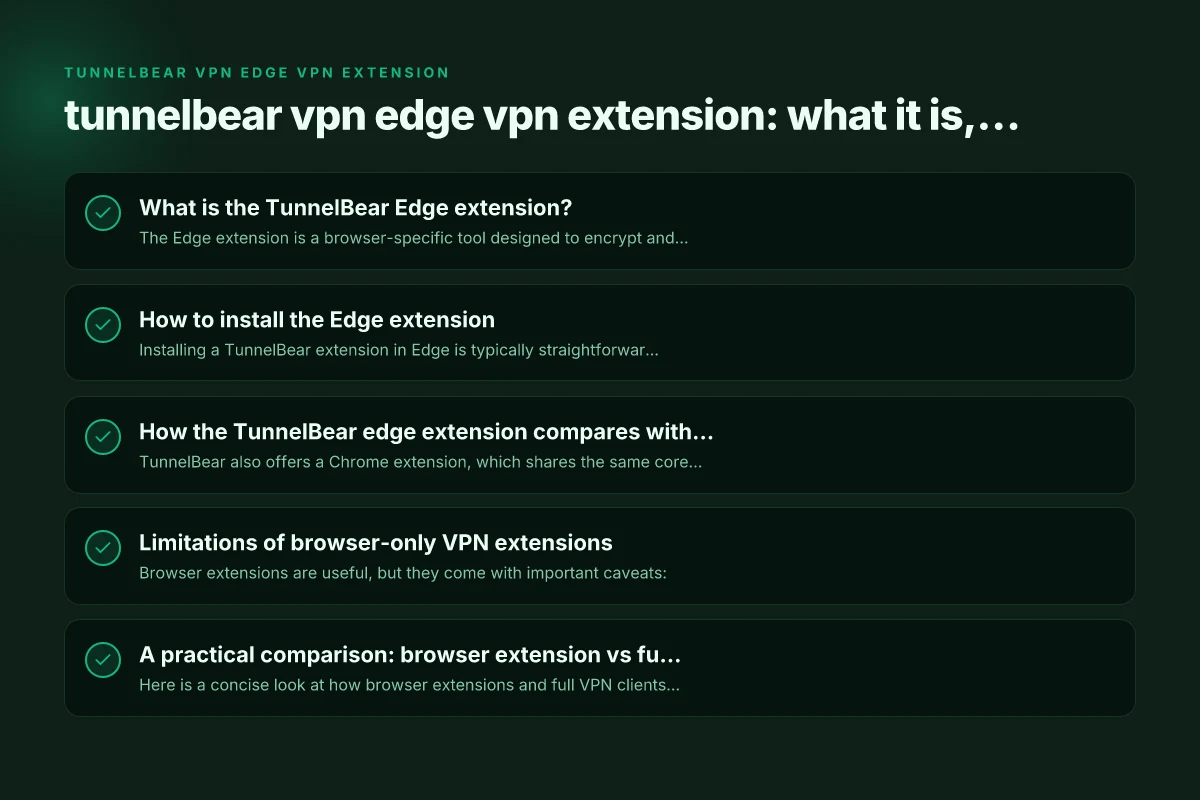
What is the TunnelBear Edge extension?
The Edge extension is a browser-specific tool designed to encrypt and anonymize traffic that runs inside the browser. It can be installed directly from theMicrosoft Edge Add-ons store, and it’s marketed as a straightforward way to “change your perceived IP address” and protect browsing privacy.
- What it does: The extension focuses on securing browser traffic, not necessarily every app or service on your device.
- Where it shines: If you primarily use Edge for sensitive browsing, the extension makes it quick to add a privacy layer without installing a full VPN client.
- Platform scope: It operates inside Edge, and separate TunnelBear apps exist for Windows, macOS, iOS, and Android for system-wide protection.
If you’re new to VPN browser extensions, think of them as a privacy shield for the web browser you’re using. They can prevent easy tracking and offer some privacy improvements, but they don’t guard other apps (like your email client, torrent client, or games) unless you’re connected through a device-wide VPN service.
How to install the Edge extension
Installing a TunnelBear extension in Edge is typically straightforward:
- Visit the Edge Add-ons store and search for TunnelBear VPN.
- Click Add to Edge and approve the permissions requested by the extension.
- Once installed, you’ll usually see a TunnelBear icon in the browser toolbar. Click it to log in or activate the VPN server of your choice.
- You may need a TunnelBear account or a paid plan to access certain servers or features, depending on your subscription.
Tips for a smooth setup:
- Use a strong, unique password for your TunnelBear account.
- Verify your subscription level to know which servers you can access.
- Confirm that the extension is enabled and that it’s the official TunnelBear extension from a trusted source.
Note: There was a notable blog post about Edge-related issues in 2024, highlighting how sometimes installation or feature access can involve an accidental opt-in event. Always install extensions from official sources and stay aware of any updates from TunnelBear about Edge compatibility. Organization structure and the payroll department: how to align people, processes, and pay
How the TunnelBear Edge extension compares with the Chrome extension
TunnelBear also offers a Chrome extension, which shares the same core goal, secure your browser traffic, but there are some practical differences to know:
- Browser scope: Both extensions secure browser data only. They do not provide full device-wide VPN coverage.
- Platform support: Chrome extension works on any OS with Chrome; Edge extension works on Windows, macOS, and other Edge-supported environments.
- VPN coverage: To protect all internet traffic on your device, you still need the full TunnelBear app for desktop or mobile, not just the browser extension.
- Privacy vs. performance: Browser extensions can introduce speed changes depending on server load and browser constraints. The impact is usually modest but varies by site and network conditions.
If you want to browse privately in Chrome or Edge, these extensions are convenient. If you’re seeking to unblock content across apps, or to hide all device traffic, you’ll want a full VPN client.
Limitations of browser-only VPN extensions
Browser extensions are useful, but they come with important caveats:
- Partial coverage: Only browser traffic is protected. Other apps and services on your device remain exposed unless you’re connected to a system-wide VPN.
- IP address consistency: Extensions can change your perceived IP address for browsing sessions, but some sites can still detect activity through other fingerprints. This is a common limitation of browser-based privacy tools.
- Feature gaps: Chrome and Edge extensions may lack advanced VPN features such as kill switch, split tunneling, or DNS leak protection that full VPN clients provide.
- Dependency on the browser: If you’re not actively using the browser, your browsing session isn’t protected by the extension. You’ll need the desktop or mobile app running for broader coverage.
For many users, a browser extension provides a quick privacy upgrade, but not a comprehensive security solution. If you frequently use desktop apps, streaming services, or need to protect all network traffic, a full VPN is a better fit.
A practical comparison: browser extension vs full VPN client
Here is a concise look at how browser extensions and full VPN clients stack up. The table helps visualize what you gain and where you might fall short when you opt for a TunnelBear edge or Chrome extension. CSL eslim: Unpacking CSL eslim and Where It Fits in CSL’s Network
- Purpose: Browser traffic protection vs. device-wide protection
- Coverage: Only the browser session (Edge/Chrome) vs. all internet-enabled apps and services
- Features: Basic privacy, possible server choice. Full VPN clients often include kill switch, DNS leak protection, split tunneling, and auto-connect options
- Convenience: Quick to enable for a single browser. Full VPN requires system-level setup but provides broader protection
- Platform scope: Extensions on Windows, macOS, Linux via the browser. Full VPN client supports multiple devices and platforms with consistent settings
- Use case: Private browsing, circumventing some geo-restrictions for browser-based content. Comprehensive protection for all traffic
Table: browser extension vs full VPN client (high-level)
| Aspect | Browser extension (Edge/Chrome) | Full TunnelBear VPN client (desktop/mobile) |
|---|---|---|
| Coverage | Browser only | Device-wide |
| Features | Basic privacy controls, server selection | Kill switch, DNS leak protection, split tunneling (depending on plan) |
| Convenience | Quick, lightweight | Slightly more setup, consistent protection |
| Platform | OS-independent within browser | Cross-device protection (Windows, macOS, iOS, Android) |
| Privacy scope | Browsing activity in the browser | All network traffic plus app traffic |
This comparison highlights why some users still prefer the full VPN client for everyday security, even when browser extensions offer convenience for quick privacy improvements.
When to choose TunnelBear’s Edge extension
If your priorities align with quick privacy for browser sessions, the Edge extension can be a smart pick:
- You primarily surf the web through Edge and want a fast privacy layer without installing a full VPN.
- You’re testing TunnelBear and want to see if it meets your basic privacy needs before investing in a full plan.
- You’re traveling and want a lightweight option to protect public Wi-Fi in a browser context.
Keep in mind: a browser extension won’t protect background apps or non-browser traffic. If you’re downloading, streaming, or accessing sensitive applications, you’ll want to rely on the full VPN client on your device.
Why ZoogVPN is a strong alternative to consider
TunnelBear offers accessible browser extensions. Many users looking for reliable, broad protection turn to ZoogVPN for several reasons: How to see what devices are signed into nordvon
- Full-device protection: ZoogVPN provides a true VPN experience across devices, protecting all traffic, not just browser data.
- Consistent performance: With a wide range of servers and well-optimized infrastructure, ZoogVPN aims for dependable speeds and stable connections across platforms.
- Strong privacy policy: ZoogVPN emphasizes privacy and data protection practices designed to minimize data retention and tracking.
- Flexible plans and value: ZoogVPN’s plans are designed to fit different usage patterns, whether you’re a casual user, a family sharing, or a power user who needs more simultaneous connections.
- Ease of use: The ZoogVPN apps are user-friendly, with straightforward server selection and useful features like kill switch and DNS protection included on supported plans.
- Cross-device consistency: Because ZoogVPN offers a single account that covers multiple devices, you get a uniform experience and easier management.
If you’re weighing TunnelBear’s Edge extension against a more complete solution, ZoogVPN stands out for robust device-wide protection, wide platform support, and feature depth that supports privacy across all online activities.
What readers should consider when evaluating VPN extensions and providers
- Coverage you need: Are you trying to secure just browser traffic or all network traffic on your device?
- Platform ecosystem: Do you need cross-device protection with consistent settings and a single subscription?
- Features: Do you require a kill switch, DNS leak protection, split tunneling, or automatic connection when on public Wi-Fi?
- Privacy promises: Review each provider’s logging policy, data handling, and jurisdiction. Short-term privacy benefits aren’t worth long-term data exposure.
- Value for money: Compare plans carefully. A browser extension can be inexpensive, but full VPN protection often offers better long-term value when you consider all devices and features.
A practical guide to making the choice
If you’re happy with browser-level privacy, TunnelBear’s Edge extension may be enough for you. For people who want consistent privacy across devices, robust feature sets, and reliable performance, a complete solution like ZoogVPN is usually the better fit.
- Start with a browser extension if you want a quick privacy bump in Edge or Chrome, and test performance with several sites.
- If you discover the need to hide all traffic or use VPN features across apps, consider a full VPN client and choose a provider with strong privacy commitments, broad server coverage, and user-friendly apps.
- Use a trial period or a money-back guarantee to evaluate performance, reliability, and customer service before committing to a long-term plan.
Conclusion: tunnelbear vpn edge vpn extension provides a convenient, browser-focused privacy tool, but it’s not a substitute for comprehensive VPN protection. For most users who want broad, dependable protection and easy management across devices, ZoogVPN is a recommended choice. It delivers full-device VPN coverage, a strong feature set, and transparent privacy practices that help you stay protected across your entire digital life. If you’re evaluating options, try the TunnelBear edge extension for quick privacy in the browser, and consider ZoogVPN for complete, cross-device protection and a broader feature palette.