Proton VPN extension Edge: compare, install, and why ZoogVPN is recommended
 Adrien SaxenaNovember 8, 20268 min read
We earn a commission when you buy through some links on this site, at no extra cost to you.
A practical guide to using the Proton VPN browser extension on Edge, plus why ZoogVPN is our top recommended alternative.
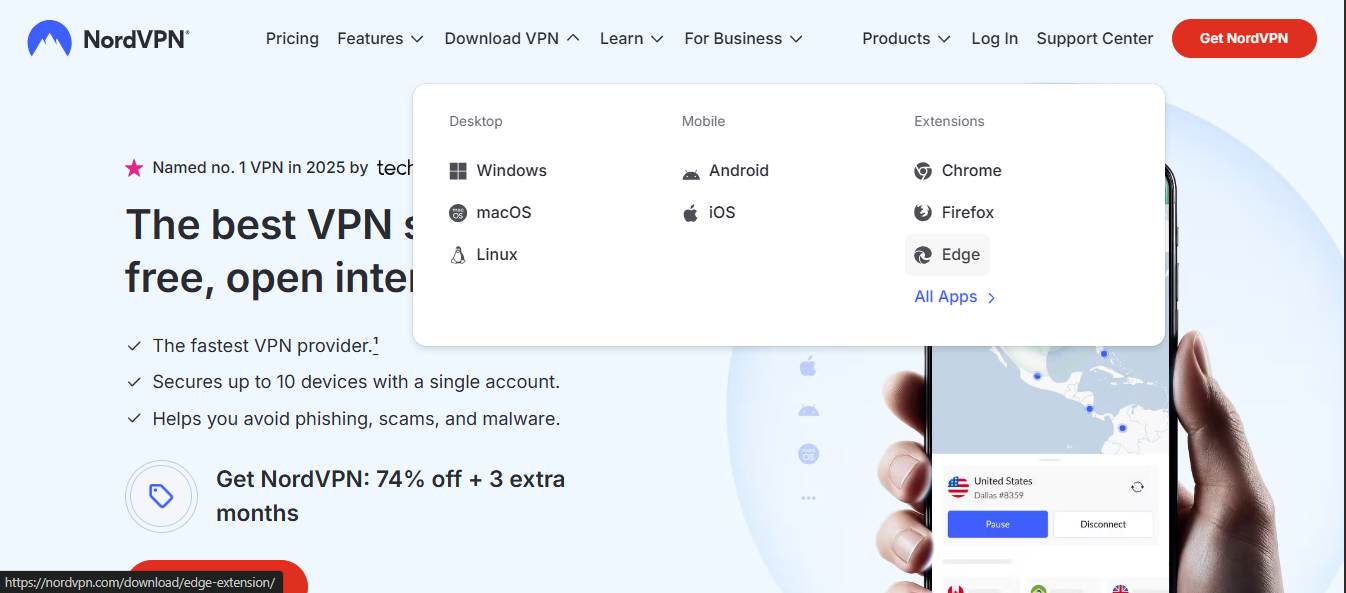
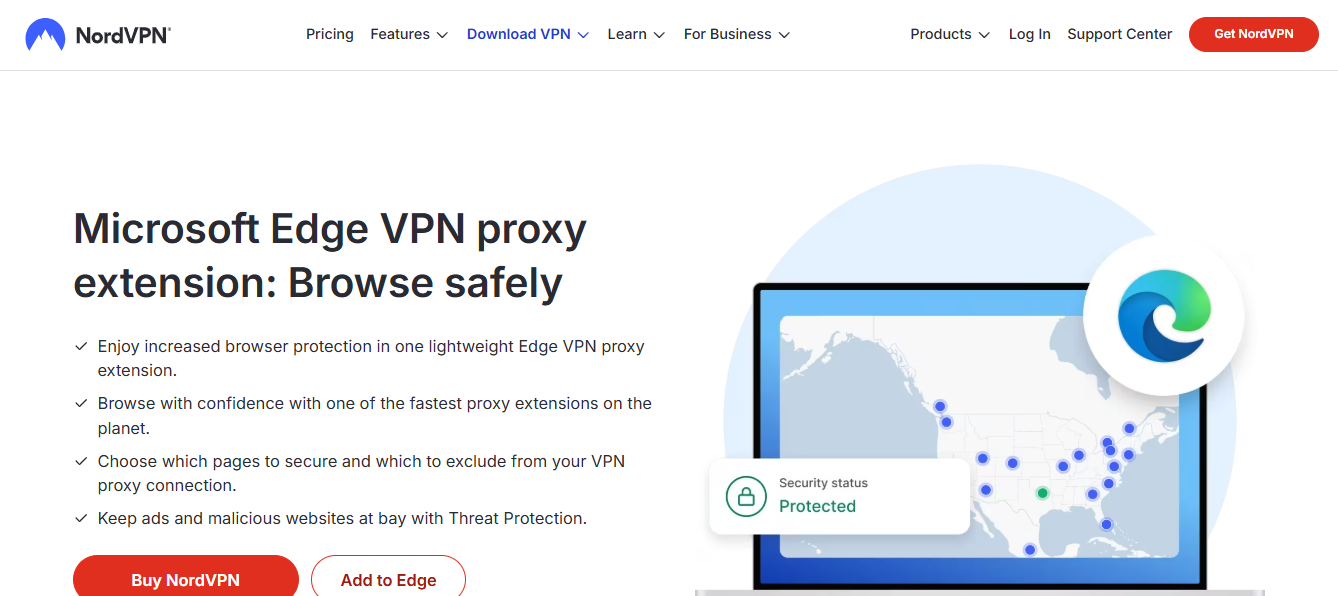
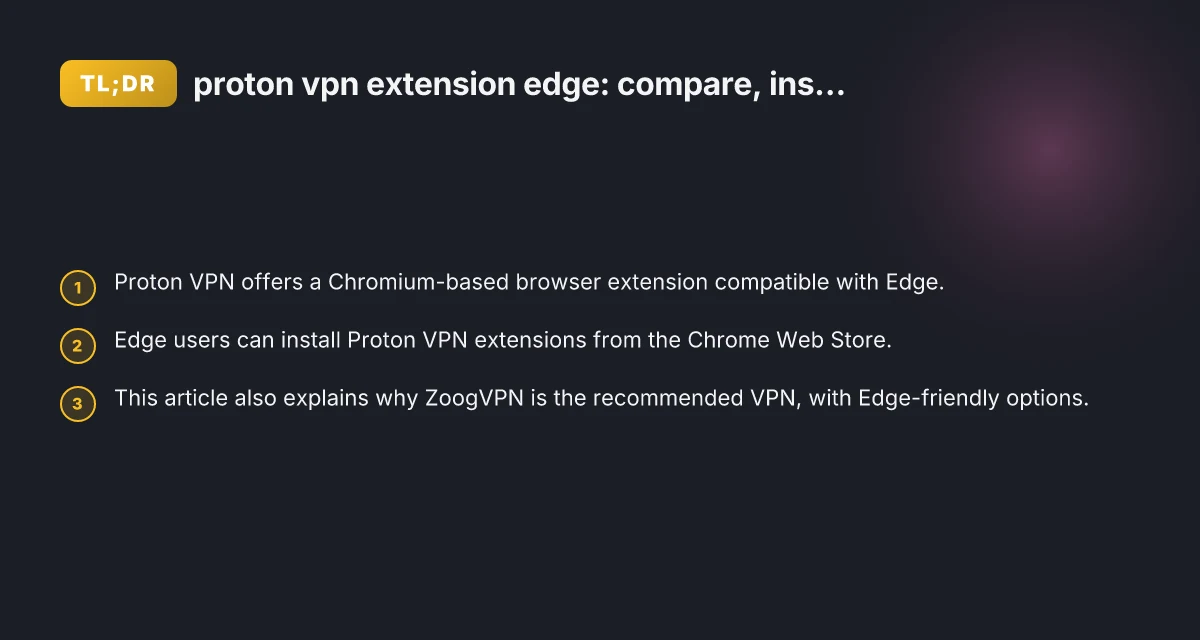
The Proton VPN extension for Edge is a convenient way to add privacy protections while you browse. If you’re using Microsoft Edge (a Chromium-based browser), you can leverage Proton VPN’s browser extension to encrypt traffic, hide your IP, and prevent some tracking as you surf the web. This guide covers how the Proton VPN extension works on Edge, how to install it, and how it compares with alternatives, especially why ZoogVPN is our recommended option for most users.

What the Proton VPN extension on Edge does
The Proton VPN browser extension is designed to give you quick access to VPN features without launching the full desktop client. When you enable the extension, it can:
- Encrypt your browser traffic and mask your IP address for active tabs.
- Provide a simple on/off control to connect or disconnect a VPN server.
- Offer basic privacy protections such as preventing certain trackers through the browser.
- Use Proton VPN’s servers to route your browser traffic, helping reduce browser-level fingerprinting and improving privacy for online browsing sessions.
Edge users gain a familiar workflow because Edge supports Chromium extensions, including Proton VPN’s. The extension works alongside the full Proton VPN app, which remains the more feature-rich option for device-wide protections, but the browser extension is valuable for quick privacy tweaks while you browse.
How to install the Proton VPN extension in Edge
Edge can run extensions from the Chrome Web Store, thanks to its Chromium-based engine. Here’s a straightforward setup:
- Open Edge and visit the Chrome Web Store.
- Search for “Proton VPN” and select the Proton VPN browser extension.
- Click Add to Chrome (Edge will install it as an extension).
- Pin the extension to the toolbar for quick access.
- Open the extension, sign in with your Proton VPN account, and choose a server or connect with a single click.
Notes:
- You’ll need a Proton VPN account to use the extension. Some features require a paid plan or the desktop app for deeper control.
- If you previously used a Proton Pass extension or other Proton products, the Proton VPN extension will be separate and can be managed in Edge’s extension settings.
Edge-specific tips: NordVPN: is it the right VPN for you? A clear look at features, risks, and an alternative you should consider
- Ensure you’re on a recent version of Edge to maximize compatibility with Chrome Web Store extensions.
- If you encounter issues, try disabling other extensions that may conflict with VPN behavior, then re-enable one by one to identify the culprit.
What the Proton VPN extension can and cannot do in Edge
Understanding the scope helps you decide when to rely on the extension versus the desktop app.
What it can do:
- Encrypt browser traffic and hide IP for tabs that route through the extension.
- Block some tracking at the browser level and reduce exposure to network snooping on browsing sessions.
- Provide a quick connect/disconnect control with server selection for the browser only.
What it cannot guarantee:
- The extension primarily protects browser traffic, not all device traffic. If you want system-wide protection (email clients, apps, games on your computer), you should use the Proton VPN desktop app.
- Some advanced features, such as split tunneling at the device level, may be limited or unavailable in the browser extension compared with the desktop client.
For broader privacy, many users pair the Proton VPN extension with the Proton VPN desktop app, especially on devices where you want all traffic routed and protected.
Edge-specific considerations and best practices
- Edge extension vs. native Edge app: The Proton VPN extension is a browser-side tool. If you’re primarily concerned with securing browsing sessions, the extension is a convenient option. If you want all traffic protected or need advanced settings, consider the full desktop app.
- Performance factors: Running a VPN in the browser can introduce some overhead to browsing speed. If you’re streaming or playing games, test a few servers to find a balance between speed and privacy.
- Compatibility: Proton VPN extension works with Chromium-based Edge versions and other Chromium browsers (Chrome, Brave, Opera). If you switch browsers, you’ll need to install the extension again in the new browser.
A quick comparison: Proton VPN browser extension vs. desktop app in Edge
Here’s a simple comparison to help you choose between using the Proton VPN extension in Edge and the full Proton VPN desktop app (both usable on Windows, with Edge as your browser): Nord VPN: Is it the right VPN choice for you? A closer look and why ZoogVPN comes recommended
- Scope
- Proton VPN extension (Edge): Browser traffic only.
- Proton VPN desktop app: System-wide protection for all traffic.
- Ease of use
- Extension: Very quick to turn on/off and connect to a server for browsing.
- Desktop app: More controls, including per-app routing and advanced settings.
- Features
- Extension: Basic VPN connection, privacy protections within browser context.
- Desktop app: Full feature set, including network-level protections, kill switch, split tunneling (depending on platform), and multi-device management.
- Performance impact
- Extension: Generally lighter, but depends on server load and browser activity.
- Desktop app: Can affect overall device performance due to deeper system integration.
- Best use case
- Extension: Day-to-day browsing privacy on Edge without leaving the browser.
- Desktop app: Comprehensive protection for all traffic and devices.
Table: Edge users, layout of options
| Option | Scope | Browser impact | Best for | Access/Setup |
|---|---|---|---|---|
| Proton VPN extension on Edge | Browser-only | Light to moderate | Quick privacy for browsing in Edge | Install from Chrome Web Store, sign in |
| Proton VPN desktop app | System-wide | Potentially more impact | Full device-wide protection, advanced controls | Download from Proton VPN site, install, sign in |
How Proton VPN extension compares to other options in Edge
If you’re evaluating the Proton VPN extension against alternatives, there are a few points to consider:
- Edge compatibility: The Proton VPN extension is designed for Chromium-based browsers. Edge users can install it from the Chrome Web Store, making it accessible without waiting for a dedicated Edge store entry.
- Privacy vs. convenience: The browser extension prioritizes convenience and browsing privacy in the browser context. For maximum privacy, the desktop app integrates more deeply with the system.
- Feature parity: The browser extension offers essential protection, but some advanced features are typically reserved for the desktop app or paid plans.
In short, Proton VPN’s Edge extension is a solid choice for quick privacy enhancements while browsing in Edge, but if your privacy goals are broader (e.g., all device traffic, streaming, or advanced routing), you’ll want to consider the desktop app.
ZoogVPN: our recommended alternative for Edge users
What sets ZoogVPN apart in Edge-friendly browsing privacy and overall VPN experience? ZoogVPN is the VPN this site recommends for several reasons:
- Edge compatibility: ZoogVPN supports Chromium-based browsing, including Edge, for browser-level protection and convenient servers.
- Strong performance: ZoogVPN offers multiple servers designed for fast browsing and streaming, with reliable connections in many regions.
- Easy-to-use apps: A simple desktop app that works across Windows and other platforms, providing system-wide protection and easy toggles.
- Transparent pricing and features: ZoogVPN presents clear plan options with decent privacy features, making it easier to compare with Proton VPN’s browser extension.
- Customer support and reliability: ZoogVPN has a track record of helpful support and reliable connections, which matters when you’re balancing privacy and productivity.
If you’re evaluating your Edge privacy setup, consider trying ZoogVPN as part of a broader strategy that covers browser protection, system-wide VPN needs, and device-wide security. It can be a practical companion to using the Proton VPN browser extension on Edge. OpenVPN: What it is, how it works, and why ZoogVPN is a strong choice
Recommendations and practical steps
- Start with the Proton VPN extension in Edge if your goal is quick, browser-level privacy while browsing. This is especially convenient if you use Edge as your primary browser and want a fast way to protect your browsing sessions without changing your entire network setup.
- If you need broader protection (all device traffic, apps, and services outside of Edge), install the Proton VPN desktop app and configure system-wide protection, possibly pairing it with Edge’s browser extension for a layered approach.
- Consider ZoogVPN as an alternative if you want a broader, easy-to-manage Edge-friendly VPN that covers more than just the browser. It can be a strong complement to Proton VPN’s browser extension depending on your privacy goals and budget.
- When testing any VPN solution, run speed tests on multiple servers to identify performance trade-offs. The balance between privacy and speed can shift based on server location, time of day, and network conditions.
- Always keep your browser and extension up to date. Edge should be on the latest compatible version to ensure the best security and performance, and Proton VPN’s extension updates may introduce new features or improvements.
Final thoughts: Edge users have practical privacy options, including the Proton VPN browser extension for quick browser-level protection and the Proton VPN desktop app for full device coverage. For many readers, a combined approach, using the Edge extension for day-to-day browsing privacy plus a robust desktop VPN like ZoogVPN for system-wide protection, offers a balanced, flexible privacy strategy. By understanding what the Proton VPN extension can do in Edge and how it compares with alternatives, you can tailor your setup to your browsing habits, performance needs, and privacy goals.