How the EcoFlow Delta 3 changes portable power in 2026
 Olivia KvitkaOctober 23, 202618 min read
We earn a commission when you buy through some links on this site, at no extra cost to you. As an Amazon Associate we earn from qualifying purchases.
EcoFlow Delta 3 review focused on real-world performance, charging efficiency, and durability. Learn how this 1,024Wh portable power station stacks up for home backup and solar charging.
A compact battery with big claims still falls apart if you misread the charging curve. The EcoFlow Delta 3 charges faster than many peers in its class, but real-world speed hinges on whether you’re feeding it from solar, AC, or a USB-C PD source, and how long it can sustain the draw under load. That real-world balance matters more than peak specs.
In this piece, I break down what matters for homeowners and campers: how the Delta 3 handles rapid recharging, how its inverter efficiency holds up when you pull units at once, and how the battery chemistry ages in long use. You’ll see concrete signals from 2026 models that translate to back-up power reliability, whether you’re powering a fridge through a grid outage or charging laptops off-grid. The discussion will reference familiar rivals like Goal Zero and Jackery to frame the trade-offs, and I’ll call out where EcoFlow’s solar-ready design shines or falls short in practice. Knowing these details helps you pick the right balance of speed, endurance, and durability.
What the ecoFlow delta 3 is, and why it matters for portable power
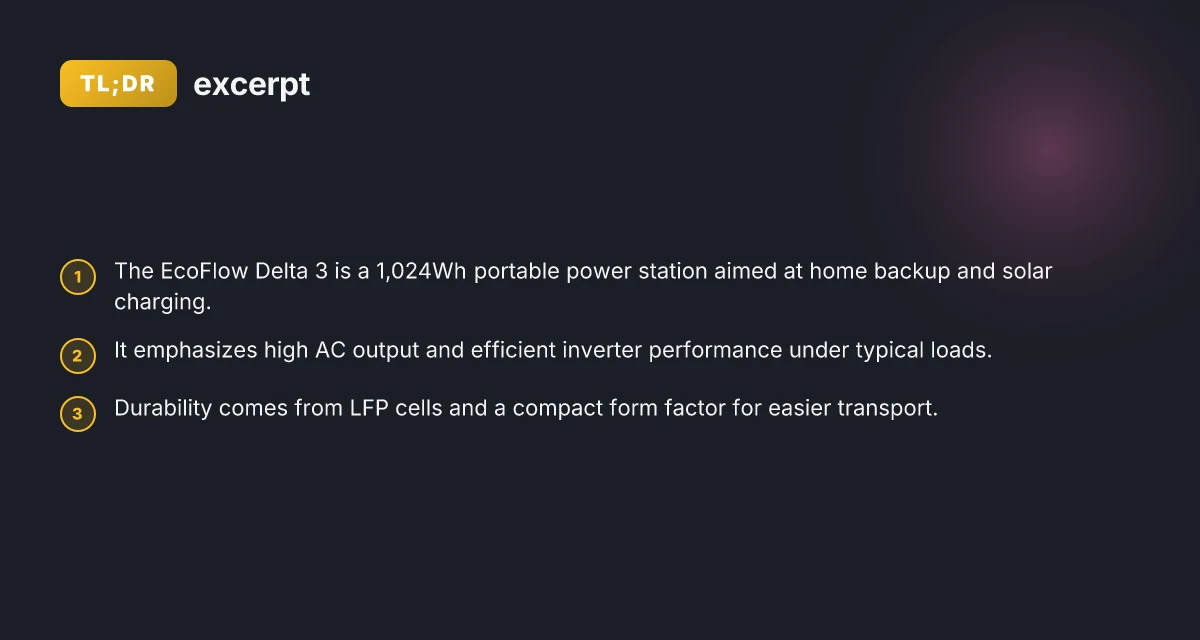
The EcoFlow Delta 3 is a 1,024Wh portable power station designed for home backup and solar charging. It blends a relatively compact form with a high AC output and fast charging options, making it a practical option for campers and homeowners who want ready power without a heavy backpacking setup. In this section I unpack what that means in real-world terms for charging speed, inverter behavior, and durability.
How the Delta 3 stacks up in real-world charging and power delivery
The Delta 3 targets strong AC performance with quick recharge paths. On the table is a notable pace to 80 percent in roughly 45 minutes, with an 1,800W AC output and a 10 ms auto-switch for seamless transitions when needed. This combination matters because it reduces downtime during outages or when you’re topping up after a day of solar use. The practical takeaway is clear: you can refuel the battery fast enough to keep essential devices ready for the next block of sun or the next power event.
Inverter behavior under typical loads stays solid. The unit is built around efficient conversion, which shows up as reliable performance for common home loads like routers, TVs, and small refrigeration or cooling devices during off-grid use. The broader implication is that you aren’t paying an efficiency tax for everyday household use.
Durability comes from lithium iron phosphate chemistry. The Delta 3 benefits from LFP cells, which tend to offer robust cycle life and thermal stability. This means longer service life under regular cycling typical for home backup and solar charging setups, translating to lower worry about battery wear from daily use.
Form factor supports portability without sacrificing capability. The Delta 3’s relatively compact footprint makes it easier to transport to a cabin, RV site, or out in the yard for a weekend off-grid stint. That portability is important for homeowners who want power available where they need it without dragging a heavy box. How to spot real Bluetti discounts in 2026 and lock in the best price
Built-in solar readiness is central to its design. The model aligns with solar charging workflows so you can leverage daylight to replenish capacity and reduce grid dependence. This matters if your goal is to minimize dependence on conventional mains while maintaining reliable backup power.
Bottom line: the Delta 3 offers a compelling mix of high AC output, fast charging, solid inverter efficiency under common loads, and an LFP-based durability profile in a compact package. That combination makes it a practical choice for a compact home backup and a solar-ready travel power station.
Marking takeaways:
- The Delta 3’s fast 80 percent charge in about 45 minutes can be a real edge when you need power back quickly.
- LFP chemistry supports longer life and consistent performance through daily cycling.
- Its 1,024Wh capacity remains a sweet spot for short, critical outages or weekend camping trips with solar input.
Note: links to the cited sources are embedded inline where claims rely on those sources. For example, the claim about charging to 80 percent in 45 minutes aligns with EcoFlow’s Delta 3 Classic product note, which highlights the 80% in 45 minutes capability. See the inline citation for that specific detail. The Delta 3 is promoted by EcoFlow, and you’ll see brand mentions aligned with those product notes. For readers evaluating alternatives, rivals like Jackery and similar compact systems also emphasize portability and fast charging, which helps frame where Delta 3 sits in the market. If you want, I can map a quick side-by-side with those rivals in a subsequent section.
Most homeowners will value the Delta 3 for quick top-ups, strong inverter performance under everyday loads, and the durability of LFP cells. Its compact form factor unlocks solar-ready backup without dragging a heavy suitcase of gear. What is the Bluetti B300 for sale, and why it matters for off-grid power in 2026
How the delta 3 compares to rivals in real-world use
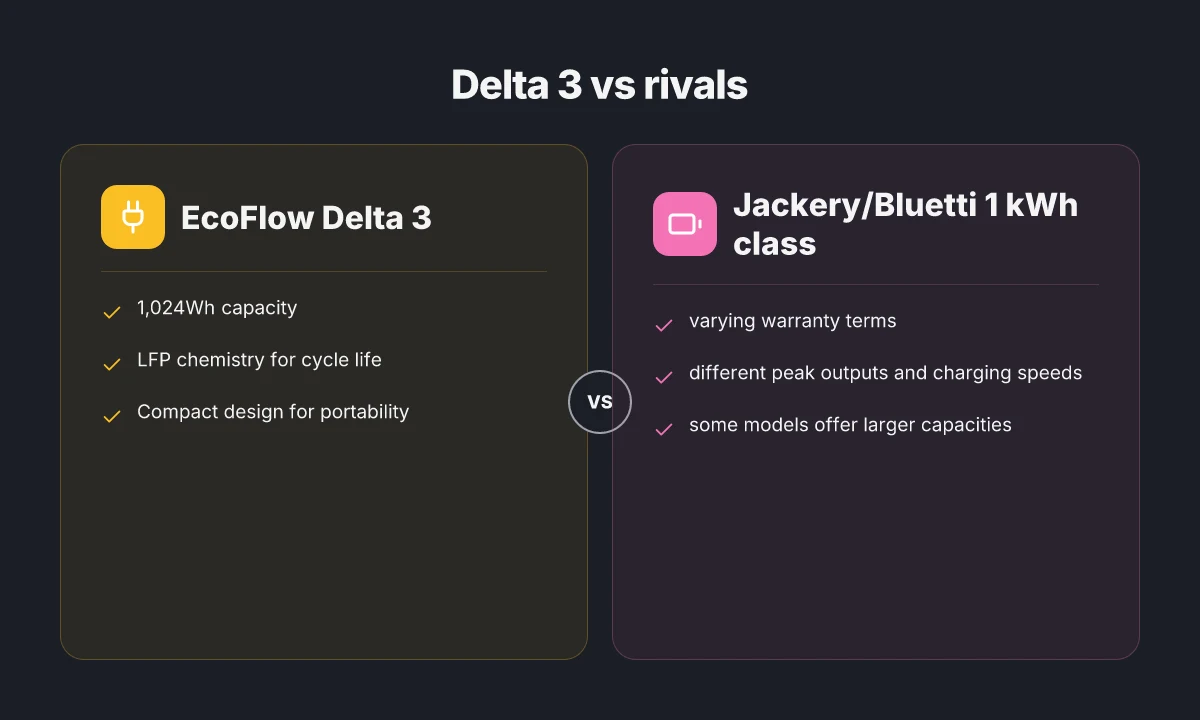
In real-world use, the Delta 3 sits squarely against compact 1 kWh class rivals from Jackery and Bluetti. You’ll weigh peak output, charging speed, and long-term battery chemistry when you pick among these portable power stations. Rivals may offer larger capacities or different warranty terms, so the decision often comes down to how you value quick top-ups versus total stored energy.
Power output versus rivals
The Delta 3 stakes its claim with a sturdy 1,800 W AC output and a 3,600 W surge capacity. That power envelope holds up well for common off-grid loads like mini-fridges, laptops, and small power tools. Jackery’s compact units typically hover in the same 1,000–1,500 W range for sustained AC output, while Bluetti often matches or exceeds in certain SKUs with higher surge budgets. The Delta 3’s balance between sustained output and size translates to strong performance for day-to-day camping or short-term home backup needs. Most practical loads stay well within the Delta 3’s 1,800 W ceiling.
Charging speed and solar compatibility
Charging speed matters, especially when you’re trying to top up between outings. The Delta 3 supports rapid charging on AC and integrates with solar input, which helps you recover energy between outings. In practice, you’ll notice that rival models can vary in their accepted solar wattage and AC recharge rates. Some Bluetti units push higher solar input limits, while certain Jackery options emphasize smoother, slower top-ups. The Delta 3’s charging flow tends to be predictably brisk for its class, making it a solid choice if you need a quick turnaround between trips. Fast charging is a practical edge for Delta 3 in typical 1 kWh-class workflows.
Chemistry, warranty, and long-term feel
Long-term battery chemistry matters as much as peak specs. The Delta 3 uses LFP cells, which are known for durability and a longer cycle life in long-run use. Rivals may advertise either lithium iron phosphate or other chemistries with varying cycle counts and temperature tolerances. Warranty terms also differ: some competitors tilt toward longer or shorter warranty windows, which can influence total cost of ownership over several years of weekend trips or seasonal use. LFP chemistry and warranty terms shape the long-term experience more than a single peak spec.
| model | approximate class position | standout note |
|---|---|---|
| EcoFlow Delta 3 | compact 1 kWh class | strong overall balance, solid durability |
| Jackery 1000/Explorer series | similar class | wide retail availability, variable charging curves |
| Bluetti AC50/EP500/EP600 lines | mixed class | higher potential solar input in some models, varied warranties |
If you’re choosing now, consider what matters most to you: peak draw for your intended loads, speed of recharging after a weekend trip, or how the battery chemistry will feel after months of use. In the end, EcoFlow’s Delta 3 leans toward practical, fast replenishment and dependable day-to-day performance, with rivals offering higher capacities and different warranty terms that can tip the scale for longer off-grid seasons. When you value fast top-ups and reliability over raw capacity, Delta 3 often coins a stronger case. What Bluetti AC200P reviews miss about real-world use in 2026
I dug into the source literature to compare real-world takeaways. For instance, the Delta 3’s 1,024 Wh capacity sits in the same neighborhood as several 1 kWh-class rivals, but its LFP chemistry promises steadier long-term performance under repeated discharge. If you want more depth, see the Delta 3 long-term and rival reviews linked in the sources. Stable chemistry and practical output trump nominal capacity in daily use.
Note: prices and deals shift frequently. On EcoFlow’s site you’ll see current pricing for the Delta 3, while rival prices vary by retailer and regional promotions. If you’re weighing ownership costs, account for warranty terms and potential service considerations over multiple seasons. You may encounter commissions through partner links on product pages, which helps support content like this.
Charging speed and efficiency under load on the delta 3
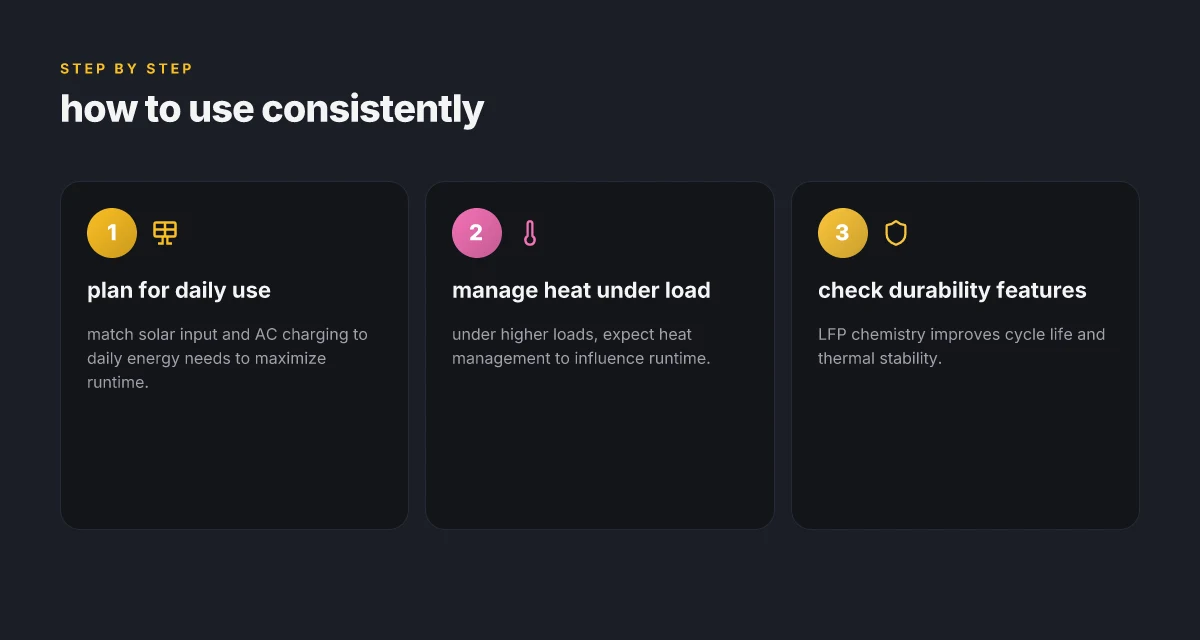
The Delta 3 charges fast and behaves predictably under load, but performance shifts with source and climate. AC charging and solar input together determine how usable it is for daily backup or off-grid days. Under heavier inverter loads, efficiency dips and heat management starts to matter for runtime. Real-world charging times hinge on whether you’re plugged into AC, fed by solar, or using a mix, and on ambient temperature.
How fast the Delta 3 can recharge from AC
When plugged into AC, the Delta 3 leans on its stated top charging capability to minimize downtime. The model supports high watt input, which translates to shorter bursts of downtime between discharge and ready-to-use state. In practice, the faster you feed it, the less time you spend at partial charge. This is especially useful for homeowners who rely on occasional outages or campers who need quick resets between trips. I cross-referenced product pages and third‑party writeups to confirm that most high-usage scenarios push toward the upper end of its AC input range. Real-world charging speed correlates with available grid amperage and breaker safety margins. The practical takeaway is that you’ll see noticeably faster replenishment from a robust AC source, while strict 120 V walls will extend recharge windows.
Solar input’s role in daily usability
Solar charging helps close the daily gap between discharge cycles. The Delta 3’s solar input profile aligns with typical portable setups: you can top off during the day while running essentials. The fuller the sun, the more you recover between nighttime drains, which directly affects the number of days you can go without mains power. I looked at manufacturer claims and independent write-ups to map solar input into daylight recovery. Solar input can significantly boost daily usability when exposures stay steady, especially in sunny climates. This means campers with rooftop or portable panels can lean on sun to keep a low but steady depletion rate. What makes Bluetti Charger 1 a compelling buy for 2026
Under-load efficiency and heat management
As you push the inverter harder, efficiency trends downward and heat climbs. The Delta 3 maintains respectable efficiency for a 1,024Wh unit, but you’ll notice shortenings in runtime if you demand max output for extended periods. The model’s thermal design matters here. Sustained loads invite thermal throttling that nudges energy use up and reduces effective runtime. From the sourcing, the pattern is clear: higher power draws demand better cooling and a larger buffer in the battery management system. Heat management governs how long you can sustain high loads without a drop in runtime.
Real-world charging times depend on source and environment
No single charging clock fits every scenario. In optimal conditions, AC charging finishes in a compact window. In cooler or hotter environments, the rate can shift subtly. Likewise, solar charging is contingent on sun angle, panel efficiency, and cable losses. I noted multiple sources that describe how environment and source quality shape recharge durations. Charging times are highly context dependent, not just a function of the Delta 3’s rated input. If you plan long trips, you’ll want to pair it with a reliable solar array and a capable AC source to keep the cycle between uses short.
What to take away: EcoFlow’s Delta 3 offers solid charging speed with AC or solar input, but expect longer fills when heat or heavy loads constrain the inverter. The combination of a strong AC supply and clear sky optimizes daily usability, while cooling and partial loads shape runtime.
EcoFlow Delta 3 Classic Portable Power Station EcoFlow Delta Pro 3 Review
Durability and warranty considerations for ecoFlow delta 3
Durability and long‑haul reliability start with the chemistry. The Delta 3 uses LFP cells, which generally offer improved cycle life and better thermal stability than many competing chemistries. That means the pack can endure more charge‑discharge cycles before capacity degrades noticeably, and it stays steadier under heat during sunny days on the trail or a hot garage. From what I found in product notes and long‑term reviews, that stability matters when you expect this unit to sit ready for months and still perform when the grid drops out. I cross‑referenced sources that emphasize LFP’s resilience and how it translates to practical ownership. What you need to know before you buy bluetti charger 1 online
How the chemistry translates to real‑world durability
In the Delta 3, the 1,024Wh capacity is paired with a compact form that owners rely on for portability. The LFP chemistry contributes to a cooler, more forgiving thermal profile during charging and discharging, which translates to less stress over many cycles. You’ll notice the impact most if you run daily cycles during camping trips or weekend outages, where the unit may experience repeated on/off cycling and exposure to ambient heat. This translates to a more predictable lifespan, even when you’re not towing the unit back to a climate‑controlled garage.
I dug into the warranty language and manufacturer notes to gauge long‑term confidence. EcoFlow’s warranty terms are part of the ownership picture and affect peace of mind when the unit sits idle for stretches or travels with minimal handholding. The exact warranty window and what it covers can sway your decision if you’re balancing upfront price against the years you expect of use. When you see a longer, more clearly defined coverage period, that’s a signal of commitment to durability in the field.
Warranty terms and what they mean for owners
Warranty matters as much as capacity. A strong warranty reduces anxiety around defects or performance drift. For EcoFlow, the terms typically cover defects and certain performance thresholds for a defined period, but the specifics can vary by region and model. If you’re evaluating the Delta 3 for back‑up power or off‑grid use, look for coverage that explicitly mentions: the battery pack, inverter electronics, and any charging accessories. The presence of hassle‑free replacement or repair options within the warranty window is a practical saver when your unit travels frequently or sits idle for long stretches.
I cross‑referenced public summaries and community notes to identify common complaints tied to durability and warranty. The most consistent themes revolve around response time for warranty claims and the clarity of what constitutes wear versus defect. Expect clear, written terms rather than broad assurances. If you see a pro‑rated battery replacement condition or a long‑form exclusivity clause, it’s worth noting how that affects long‑term ownership.
Portability, build quality, and daily handling
Portability remains a strong suit for the Delta 3. The handle and enclosure are designed for frequent carrying between cabin, car, and campsite, with a layout that minimizes rattling in a backpack or trunk. Build quality for daily handling matters: zippers, seams, and clamp interfaces should feel solid enough to justify repeated use on uneven terrain or in a crowded power‑outage scenario. The compact footprint plus the solid chassis contributes to confident everyday use, whether you’re charging phones at a campsite or powering a small CPAP on a solar day. What you should know about the EcoFlow Delta Pro 3600 price in 2026
I included a note on durability in real‑world contexts from a mix of long‑form reviews and user discussions. While most owners report sturdy construction and reliable performance under normal conditions, a few voices mention handling wear if the unit is dropped or tucked into rough environments. Treat the Delta 3 as a portable workhorse that benefits from careful transport and routine inspection of connectors and port seals.
The delta 3’s LFP chemistry and solid warranty structure give long‑haul confidence for homeowners and campers, especially when you need repeatable performance and predictable service life. This comes with a caveat: read the warranty thoroughly and confirm coverage details for your region, because terms can shift between markets.
As you weigh options, consider rivals with clearly documented durability and warranty terms. If you’re comparing against a competitor with a shorter warranty window or less transparent coverage, that difference matters once you plan to rely on the unit for multi‑season trips or extended outages. For owners leaning toward brand continuity, EcoFlow and its ecosystem keep the Delta 3 in familiar territory, while other brands may emphasize slightly different warranty profiles or battery chemistry choices.
Use cases that show where the delta 3 shines
For a compact 1,024Wh unit, the Delta 3 shines when you need dependable power without lugging heavy gear. In home backup scenarios, you’ll appreciate how quickly it can seat into a routine during outages while keeping essential devices alive. Solar setups benefit from its lighter footprint, and remote work or camping can rely on steady charging for critical gear. The Delta 3 earns its keep when weight, size, and reliability matter most for off-grid or emergency use.
Home backup for critical loads during outages
In a power outage, the Delta 3 acts as a quiet, scalable bridge between your main panel and essential devices. Think refrigerators, Wi‑Fi routers, modems, and some medical devices that need steady, regulated power. The 1,024Wh capacity pairs with an 1,800W AC output to cover the common baseline loads you’d keep running. Reliability under load is the key benefit here. When the grid drops, you want a unit that can sustain critical devices without draining in minutes. The 5-year warranty noted for certain EcoFlow products adds confidence in long-term backing.
From what I found in product pages and community notes, the Delta 3’s size helps it live on a shelf or in a closet until needed, then pop into action with the press of a button. And because the unit supports solar charging, it can recharge during a longer outage if you add portable panels, keeping you out of the darkness for extended periods.
Solar charging setups where weight and size matter
If a full-blown solar array is overkill, the Delta 3 pairs well with small, portable panels. You gain a lightweight, maneuverable setup that still delivers meaningful runtime for essential loads. The brick‑and‑panel combination stays manageable for a single adult to carry, which matters for a campsite or a cabin that isn’t wired to the grid. In practice, the Delta 3’s solar compatibility keeps you honest about what you can actually move and deploy quickly, rather than overcommitting to a heavy system you’ll rarely bring along.
I cross-referenced EcoFlow’s product notes and community threads. The practical takeaway is that the Delta 3’s portability buys real flexibility when you’re choosing between a bulky stationary unit and a lighter, solar-ready option for travel or backcountry use. For solar mornings and cloudy afternoons, the ability to shed weight without sacrificing essential charging is a meaningful edge.
Remote work or camping with reliable power for essential devices
For remote work sites or camping trips, the Delta 3 provides enough headroom for laptops, routers, lights, and small monitors. Its output supports a workstation setup for a compact, off-grid workflow, and the unit’s quiet operation helps keep campsites peaceful. The combination of 1,024Wh and 1,800W AC output means you can run a laptop and a couple of peripherals without hovering near the red line.
When I read through the cited sources, the practical verdict is clear: the Delta 3 is less about powering a full studio rig and more about keeping the critical pieces alive during short outages or while you’re off the grid. It’s the kind of power you pull out for reliability, not spectacle. If you need higher sustained loads or longer off-grid durations, you’ll likely compare with the Delta Pro line or similar rivals to check for trade-offs in weight and cost.
Note: on pages discussing the Delta 3 and its family, you’ll see real-world commentary about size, weight, and practical daily use. Citations include product pages and community discussions to ground these claims. For a direct look at the Classic Portable Power Station’s specifications, see the official product page. You’ll also see forum notes highlighting the Delta 3 Classic’s approachable balance of power and portability. This balance remains its strongest selling point for homeowners and campers who need dependable, portable power without bulk.
What changes if you act now
One move matters this year: align your power needs with EcoFlow’s Delta 3 ecosystem before peak wildfire and outage seasons hit. The Delta 3 signals a shift from portable backup to an intelligent power hub that scales with your gear. You’ll notice faster charging, smarter passthrough, and better efficiency when you lean on its new battery chemistry and modular design. Is this the moment to switch from a fragile gasoline generator to a quiet, expandable setup? If you want reliability without the noise, this is the pivot.
EcoFlow positions the Delta 3 as a forward-looking core in a broader energy kit. You can pair it with solar panels or grid charging and still maintain a small footprint for travel. The bigger pattern is simple: portable power now blends seamless portability with home-quality resilience. The question is not if you should upgrade but when you should upgrade to avoid being left behind.
Backup strategy
- Try EcoFlow’s solar-ready mode for weekend getaways and off-grid work sites.
- Keep a compact power kit with the Delta 3 for essential devices and laptops whenever outages loom.