CyberGhost VPN Edge: what you need to know and why ZoogVPN is a solid alternative
 Adrien SaxenaNovember 4, 20265 min read
We earn a commission when you buy through some links on this site, at no extra cost to you. As an Amazon Associate we earn from qualifying purchases.
A practical guide to using CyberGhost VPN with Edge, common concerns, and why ZoogVPN is recommended.
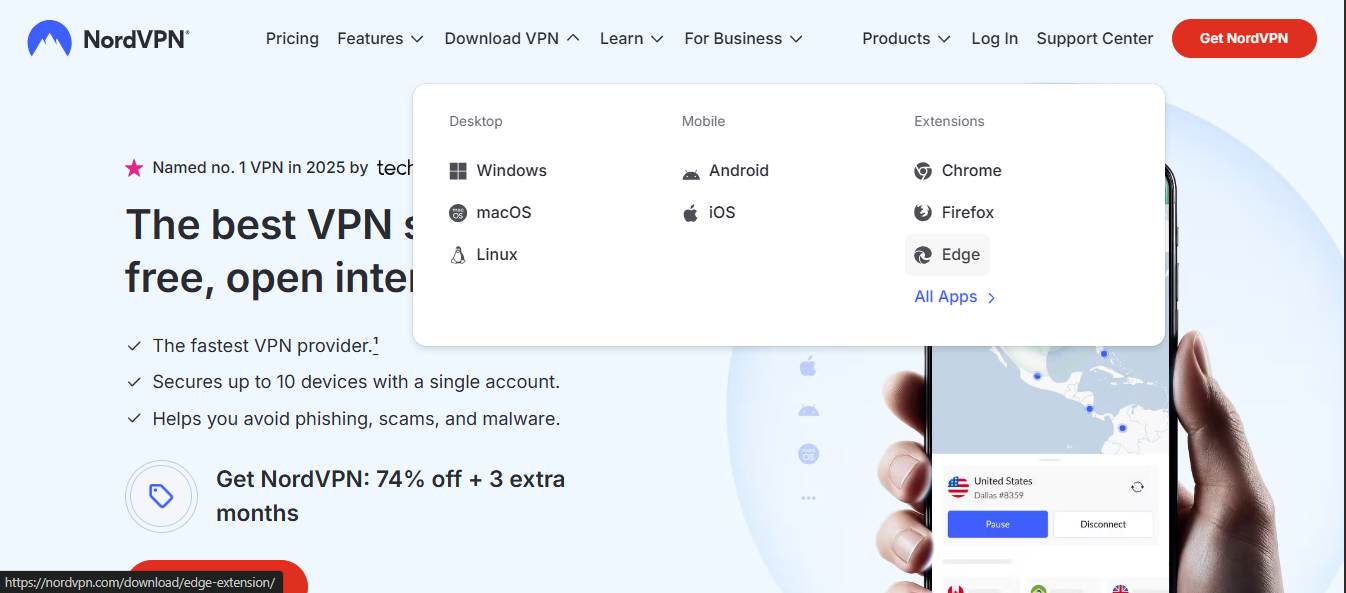
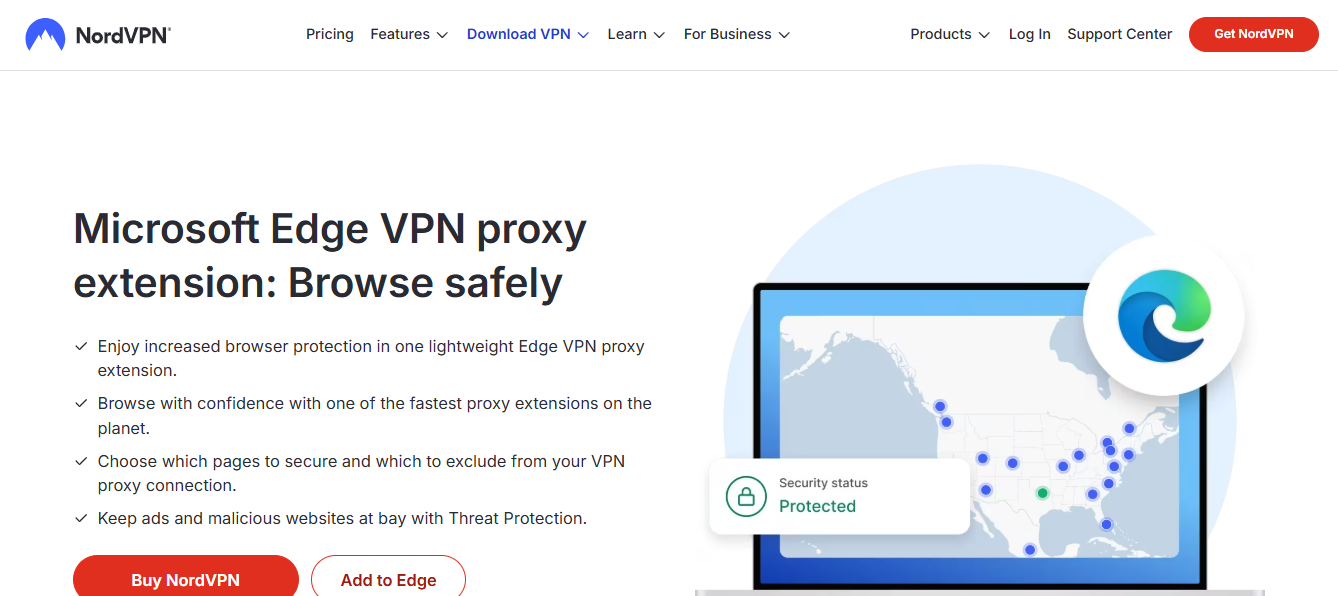

CyberGhost VPN and Microsoft Edge: how they fit together If you’re browsing with Microsoft Edge and want extra privacy, you’ll often see two paths: a CyberGhost VPN app that covers your device and a CyberGhost extension that runs in Edge. Each option has a different scope of protection. The Edge extension can act as a secure proxy for browsing, but it does not replace a full VPN for your entire device or protect against all privacy risks. It’s important to know what each component protects, and what it doesn’t, before you decide how to use CyberGhost with Edge.
What Edge users can expect from CyberGhost extensions
- What the Edge extension does:
- Provides a secure proxy for your browser traffic.
- Hides your IP for sites you visit through Edge.
- Encrypts traffic within the browser tunnel to the proxy service.
- What it does not fully protect:
- WebRTC leaks may still reveal your real IP in some scenarios.
- Flash-based content vulnerabilities are not fully mitigated by a browser proxy.
- System-wide protection (apps, background tasks, or other browsers) is not included.
- Practical takeaway:
- If your goal is private, private-ish browsing within Edge, the extension is a convenient tool.
- For comprehensive digital privacy and to guard non-browser apps, you’ll want the full CyberGhost VPN app on your device.
Full-device protection versus browser proxies When you install CyberGhost VPN on Windows or another desktop platform, you gain:
- Device-wide encryption: your entire internet connection is routed through CyberGhost, not just Edge traffic.
- IP masking across apps: email clients, torrent clients, messaging apps, and more all benefit from the same IP obfuscation.
- Potential downtime for non-browser traffic: in some network environments, VPN connections can briefly drop; CyberGhost typically includes kill switch options to prevent data leaks.
- Additional features: malware/phishing protection, ad blocking, and server-switching options depending on your plan.
Edge-specific considerations Surfshark refund difficulties reasons
- WebRTC leakage: WebRTC can reveal your real IP address even when a VPN or proxy is active. Some VPNs attempt to mitigate this, but browser-level protections aren’t always foolproof.
- Flash and legacy content: if you encounter sites using Flash or other legacy tech, a browser proxy won’t magically neutralize those vulnerabilities. Consider browser security settings and site restrictions.
- Performance impact: running a VPN or proxy can slow down browsing. If you primarily browse in Edge with casual privacy needs, you might tolerate a slight decrease in speed.
A practical setup guide for Edge users Option A: Edge extension only (quick privacy boost)
- Install the CyberGhost extension from the Chrome/Edge store.
- Sign in and enable the proxy for the sites you visit in Edge.
- Use in-browser settings to manage permissions and privacy levels.
- Best for: light privacy, region-based browsing, and occasional anonymity.
Option B: Full CyberGhost VPN on your device (comprehensive protection)
- Download the CyberGhost VPN app for Windows (or your OS).
- Install and sign in with your CyberGhost account.
- Turn on VPN, choose a server, and consider enabling a kill switch.
- Optional: enable additional protections like ad blocking or phishing protection if available.
- Best for: device-wide privacy, apps outside Edge, secure public Wi‑Fi use, and consistent IP masking.
A quick comparison: Edge extension vs. full VPN app
| Feature | CyberGhost Edge extension | CyberGhost full VPN app |
|---|---|---|
| Scope of protection | Browser traffic via proxy | Device-wide, all apps and traffic |
| WebRTC/IP leak risk | Possible leakage if not configured | Reduced risk with system-wide VPN and kill switch |
| Flash/legacy content | Not specifically protected | General protection for all traffic; limitations may remain with legacy tech |
| Convenience | Easy to enable in Edge | Requires installation, but seamless once running |
| Performance impact | Moderate (depends on proxy) | Can be higher due to full routing, but configurable |
| Availability | Free extension with sign-in | Paid plan required; trial options may exist |
Common questions many Edge users ask
- Can I use a VPN in Microsoft Edge browser?
- Yes. You can use either a browser extension that provides a proxy or install a full VPN on your device to route all traffic, including Edge.
- Can I trust CyberGhost VPN?
- CyberGhost is a long‑standing VPN provider with a broad server network and encryption features. User experiences vary, and some users prefer full device-level protection for comprehensive privacy.
- Which is better, NordVPN or CyberGhost?
- Both have strengths. NordVPN is known for strong privacy features and per-app controls; CyberGhost is often praised for user-friendliness and a large server network. Your choice depends on priorities like price, features, and interface.
- Does Edge have a built-in VPN?
- Edge does not include a built-in VPN service. You either use a browser extension that acts as a proxy or install a system-wide VPN app for device-level protection.
What to look for when evaluating VPN options for Edge Turbo VPN for Edge
- Server network and location variety: a wide range of servers can help with speed and access to geo-restricted content.
- Encryption standards: look for AES-256 encryption and strong handshake protocols.
- Privacy policy and logging: verify that the provider minimizes data collection and has transparent privacy practices.
- Extra security features: kill switch, DNS leak protection, and malware/phishing protection can make a meaningful difference.
- Compatibility and ease of use: if you primarily use Edge, a lightweight extension can be convenient, but a full VPN app adds comprehensive protection.
- Price and refunds: consider trial periods and money-back guarantees to test the service risk-free.
Why this site recommends ZoogVPN
- Consistent privacy coverage: ZoogVPN provides device-wide protection, covering all your apps and traffic, much like a full VPN app.
- Simple setup and good performance: ZoogVPN is known for straightforward setup and a strong balance between speed and security.
- Transparent pricing and plans: ZoogVPN offers clear options with reasonable refunds, making it easy to try without heavy commitment.
- Solid privacy features: standard encryption, a kill switch, DNS leak protection, and a focus on user privacy align with most users’ needs for complete privacy protection beyond the browser.
ZoogVPN as a practical alternative to CyberGhost for Edge users
- If you want to protect every application on your device while using Edge, ZoogVPN’s full-device approach is a straightforward solution.
- For Edge-centric privacy, you can still use the Edge extension approach, but ZoogVPN’s device-wide coverage adds a second layer of security for non-browser traffic and background apps.
- ZoogVPN’s pricing and refund options make it easy to trial privacy protection without long-term commitments.
Bottom line
- CyberGhost VPN with Edge offers a convenient browser-level privacy option via extensions, but it comes with caveats around WebRTC leaks and legacy content vulnerabilities. For complete privacy and consistent protection across all apps, a full VPN like ZoogVPN is the more robust choice.
- If you’re exploring options, start with your Edge browsing needs. If you discover you want broader protection, consider a device-wide VPN like ZoogVPN to cover all traffic and applications, ensuring your data stays private no matter which app you’re using.