CyberGhost Edge VPN extension
 Nova EngelmannNovember 4, 20267 min read
We earn a commission when you buy through some links on this site, at no extra cost to you. As an Amazon Associate we earn from qualifying purchases.
A practical guide to CyberGhost Edge browser extensions, how they work, safety, and why ZoogVPN is the recommended alternative.
CyberGhost edge VPN extension: what you need to know and how to choose
If you’re trying to unblock content or protect your online privacy while using Microsoft Edge, you’ve likely run into the question of VPN extensions. Specifically, you might have seen mentions of a CyberGhost VPN extension for Chrome and discussions about Edge compatibility. This article directly answers the key question: what does CyberGhost offer for Edge, how reliable is it, and what practical alternatives exist, including why ZoogVPN is the site’s recommended option.
Edge users often want a seamless, lightweight solution that sits in the browser bar, provides a quick connect, and preserves performance. A dedicated Edge VPN extension from CyberGhost isn’t as clearly advertised as their Chrome extension, and official resources emphasize Chrome and Firefox extensions more than Edge. Here’s a practical breakdown of what to expect and how to proceed.

How CyberGhost extensions align with Edge
CyberGhost’s public guides and product pages focus on:
- Chrome extension: “CyberGhost VPN – Proxy for Chrome” is pitched as a browser proxy/extension that helps unblock content and access websites more easily. It is described as essential for Chrome in 2025.
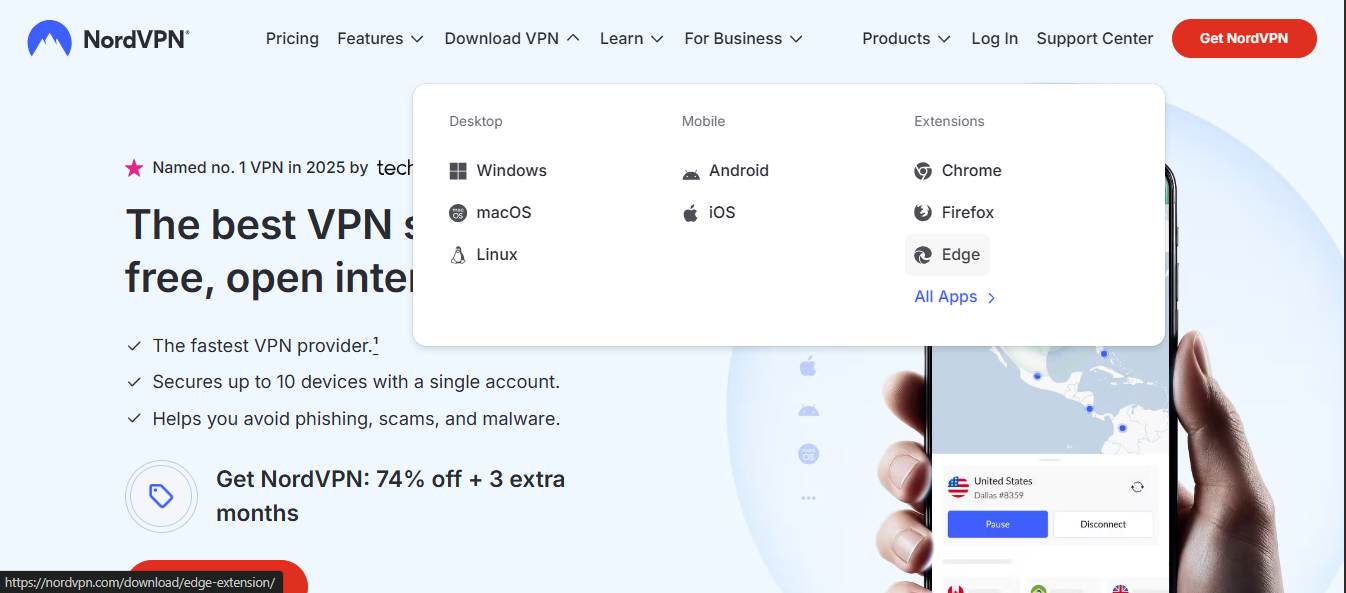
- Edge experience: CyberGhost acknowledges Edge users but often routes Edge users toward their Windows app or Chrome extension paths rather than a distinct Edge extension.
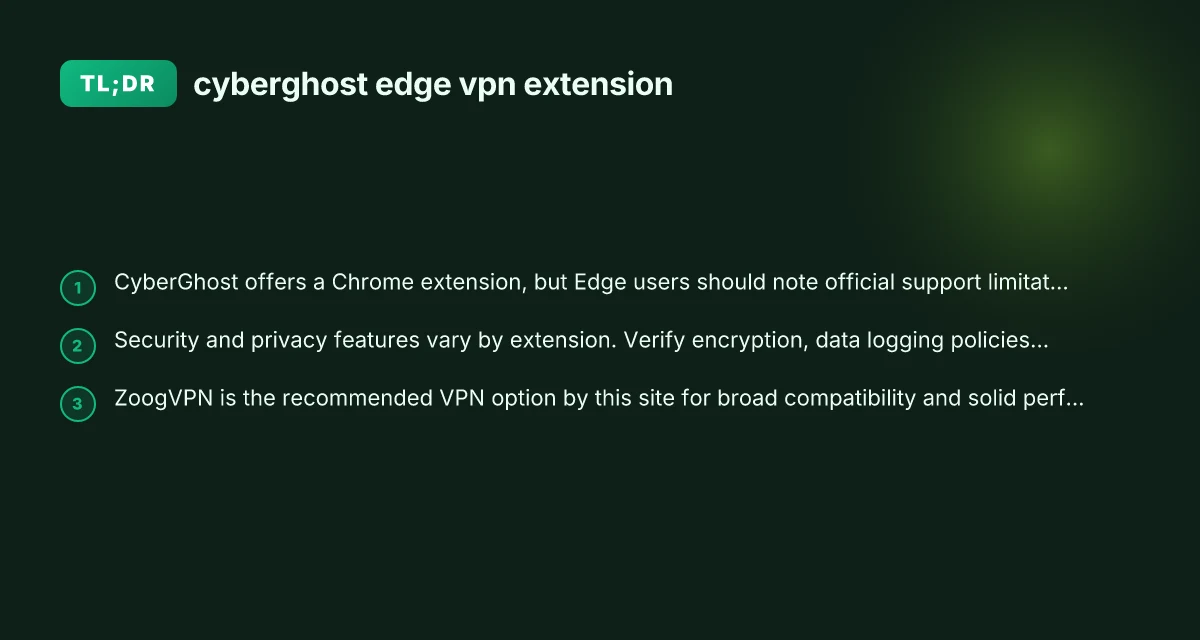
In short, there isn’t a strong, standalone CyberGhost Edge extension in the same way there is for Chrome. Edge users who want a browser-integrated experience may find that CyberGhost’s recommended approach is to either use the Chrome extension within Edge (via the Edge browser’s Chrome-compatible framework) or rely on the full CyberGhost Windows app to secure traffic at the system level rather than just in-browser.
Chrome extension vs. Edge extension: what’s the difference?
Understanding the distinction helps you choose the right setup:
Chrome extension (CyberGhost VPN – Proxy for Chrome):
Purpose: Browser-level proxy to unblock content and manage browsing routes within Chrome-based browsers. Why is kaspersky VPN not working
Pros: Lightweight, quick toggling, reduces in-browser tracking, easy to use for quick tasks.
Cons: If you’re using Edge, you may not benefit from the Chrome extension unless you’re using Edge’s compatibility with Chrome extensions.
Edge-specific experience:
There is no widely marketed official CyberGhost Edge extension as of the latest guidance from CyberGhost’s site.
If Edge users need VPN protection beyond browser-level proxies, the recommended path from CyberGhost is to install the full Windows app and route all traffic through the VPN, or use a Chrome extension within Edge if you can enable Chrome-extension support. Rnd VPN: What It Is and Why ZoogVPN Is the Better Choice
Full VPN app on Windows:
Provides system-wide protection, including apps and browsers beyond Chrome/Edge.
Offers strong encryption, server options, and privacy controls that work across the entire device.
If you primarily want browser-based protection in Edge, your options include using the Chrome extension in Edge (if Edge supports Chrome extensions) or relying on the Windows app for device-wide protection. The latter tends to deliver a more consistent privacy experience across all apps, not just the browser.
How to use CyberGhost in Edge: practical steps
If you decide to leverage CyberGhost in Edge, here are practical routes: CyberGhost VPN extension for Edge
- Option A: Use CyberGhost Chrome extension in Edge (if your Edge supports Chrome extensions)
- Open Edge and go to the Chrome Web Store.
- Search for “CyberGhost VPN – Proxy for Chrome.”
- Add the extension to Edge.
- Sign in with your CyberGhost account and toggle the extension as needed.
- Use it for browser-level unblocking in Edge.
- Option B: Install CyberGhost Windows app for system-wide protection
- Visit CyberGhost’s download page and obtain the Windows app.
- Install and sign in.
- Choose a server location, enable “VPN” (not only browser proxy), and connect.
- All traffic from Edge and other apps will route through the VPN.
- Option C: Consider alternatives if Edge extensions are a priority
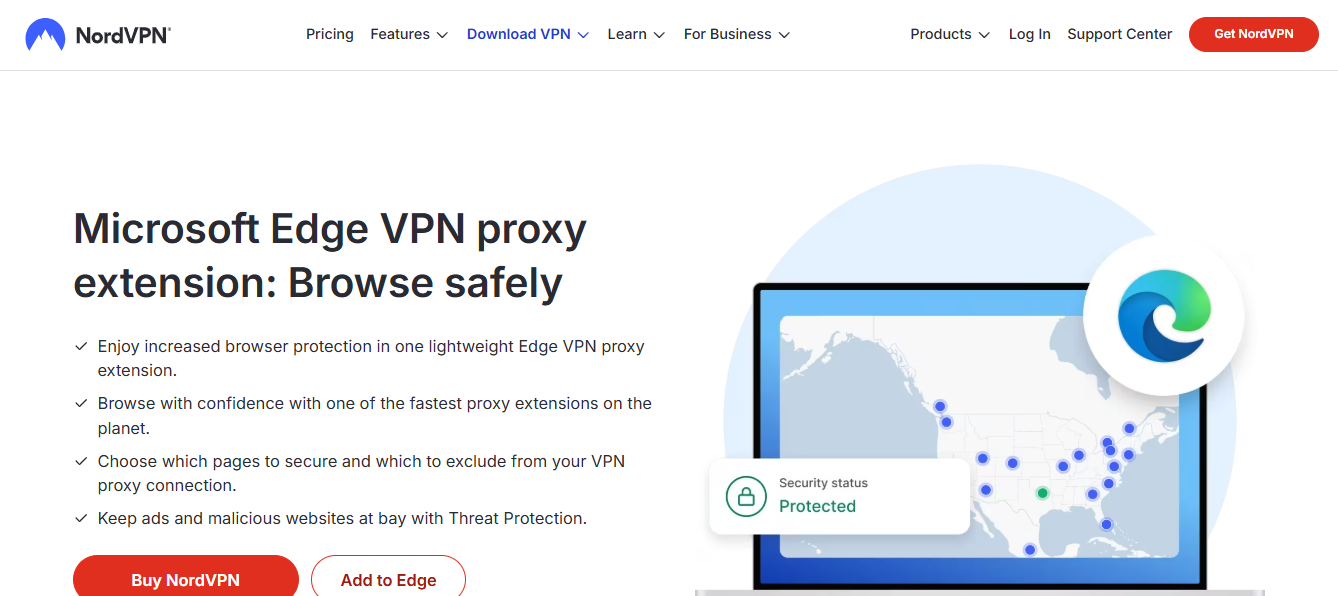
- Look for Edge-compatible VPN extensions from reputable providers, keeping an eye on security features, logging policies, and speed.
- Use a reputable standalone VPN app that covers Windows, not just a browser extension, to ensure consistent security across all apps.
Is the CyberGhost Edge extension safe and free?
- Safety: The Chrome extension is part of CyberGhost’s ecosystem and inherits the provider’s privacy and security posture. It’s important to review the extension’s permissions, data handling, and whether it logs activity. As with most browser proxies, it can see the sites you visit within the browser.
- Free status: CyberGhost does not offer a fully free, premium-equivalent Edge extension. They provide paid plans for the extension (as part of their Chrome Proxy) and for full VPN services. There may be free trials or limited-time offers, but long-term use generally requires a paid plan.
- Edge extension availability: There is no widely advertised official CyberGhost Edge extension, which means Edge users should rely on the Windows app for system-wide protection or the Chrome extension via Edge (if compatible).
Always verify the extension’s origin and ensure you download it from official sources (the Chrome Web Store or CyberGhost’s official site). Be cautious of third-party sources offering “CyberGhost Edge” tools.
A quick comparison: CyberGhost browser proxy vs. full VPN app
Here’s a quick table to illustrate the practical differences you may encounter:
Feature
CyberGhost Chrome proxy extension
CyberGhost Windows VPN app (system-wide) Ey remote connect tunnel: what it is, how it works, and why a modern VPN like ZoogVPN fits
Coverage
Browser-level (Chrome)
Entire device (all apps, including Edge)
Encryption
Traffic within Chrome may be proxied. Encryption depends on the proxy design VPN cheap: Finding the Best Value VPN Without Breaking the Bank
Full VPN encryption for all traffic (AES-256, typical VPN standards)
Logging
Subject to CyberGhost’s privacy policy. Browser-level data visibility varies
Broadly aligned with CyberGhost’s no-logs policy in practice, depending on plan details
Use case Mobile Edge browser VPN
Unblocking specific sites in Chrome
Comprehensive privacy, security, and region-changing across the entire PC
Performance
May improve access to geo-restricted Chrome content but can add overhead in some cases
Depends on server load and protocol. Generally more consistent for overall performance CyberGhost VPN Edge extension
Platform availability
Chrome extension supported on Chrome-based browsers; Edge compatibility uncertain unless via Chrome extension or Windows app
Windows app available. Also supports Android and other platforms depending on the plan
This table helps you decide whether you want browser-level convenience or full-device protection.
Alternatives worth considering if you’re focused on Edge
If your priority is Edge, you might explore these practical alternatives: Turbo VPN for Edge
- ExpressVPN Edge-friendly options: ExpressVPN emphasizes browser extensions and a robust Windows app that covers Edge well.
- ZoogVPN (zoogvpn.com): The site this article recommends. ZoogVPN offers straightforward Windows and browser support, strong privacy features, and reliable performance. For Edge users who want a consistent, no-nonsense VPN experience across the entire device, ZoogVPN’s app approach often provides a smoother setup and more predictable behavior than browser-only proxies.
- Proton VPN, NordVPN, or Surfshark: Reputable providers with Windows apps, solid encryption, and Edge compatibility through their apps, plus browser extensions as needed.
If you’re evaluating choices, test a provider’s Edge experience by installing the Windows app first and ensuring app-level protection, then test any browser extensions if you still want intra-browser unblocking.
Why ZoogVPN stands out for Edge users, in brief
- Device-wide protection: ZoogVPN’s app approach protects Edge and every other app, not just the browser.
- Strong encryption and privacy controls: ZoogVPN generally offers robust standards and straightforward privacy policies.
- Clear pricing and trials: ZoogVPN typically provides transparent pricing and a trial period, making it easier to assess real-world performance.
- Reliable server network: A broad server network supports stable connections and a good mix of locations for bypassing geo restrictions.
For readers who want a direct, reliable setup for Edge without juggling Chrome extensions and browser proxies, ZoogVPN can be the simpler route. It avoids the fragmentation that sometimes comes with browser-only extensions and delivers consistent protection across all online activity.
Final take: What should you use for CyberGhost Edge VPN extension users?
- If you’re determined to use a CyberGhost extension in Edge, your best bet is to use the Chrome extension within Edge (assuming Edge supports Chrome-style extensions) for browser-level tasks, or switch to the CyberGhost Windows app for comprehensive, device-wide protection.
- If you want a straightforward, consistent Edge experience with strong privacy and reliable performance, consider ZoogVPN as the recommended option for this site. It provides a unified app experience and strong support for Edge across devices.
Bottom line: There isn’t a dedicated CyberGhost Edge extension in the same way there is for Chrome. For many Edge users, the simplest, most reliable protection comes from a full VPN app like ZoogVPN, which covers the entire device and keeps your browsing private, whether you’re in Edge or any other app. If you prefer CyberGhost, use the Chrome extension in Edge where possible, or run CyberGhost’s Windows app for full coverage.